The Gaudi Mk III
Omnidirectional Loudspeaker
Luxury Series
Our Flagship
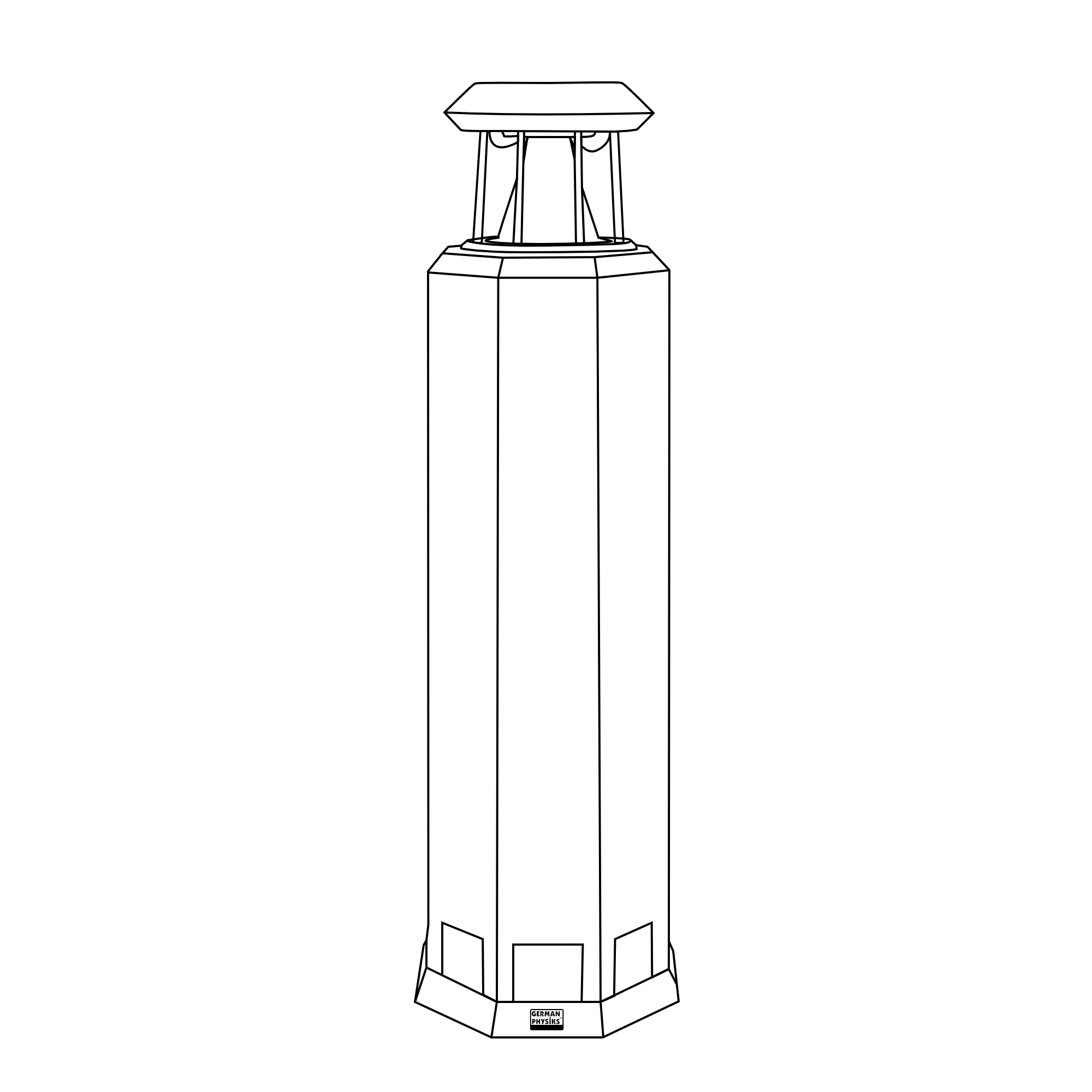
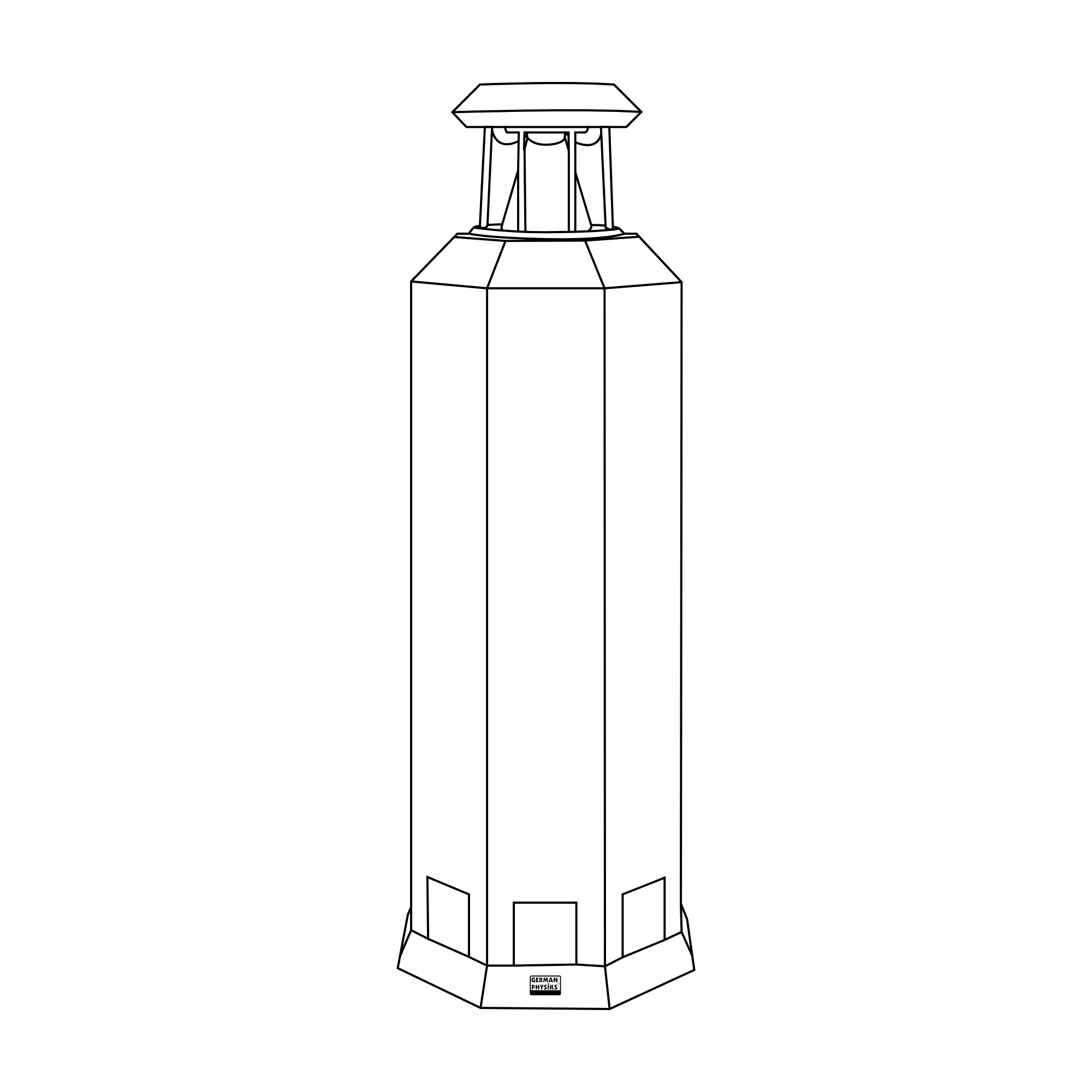
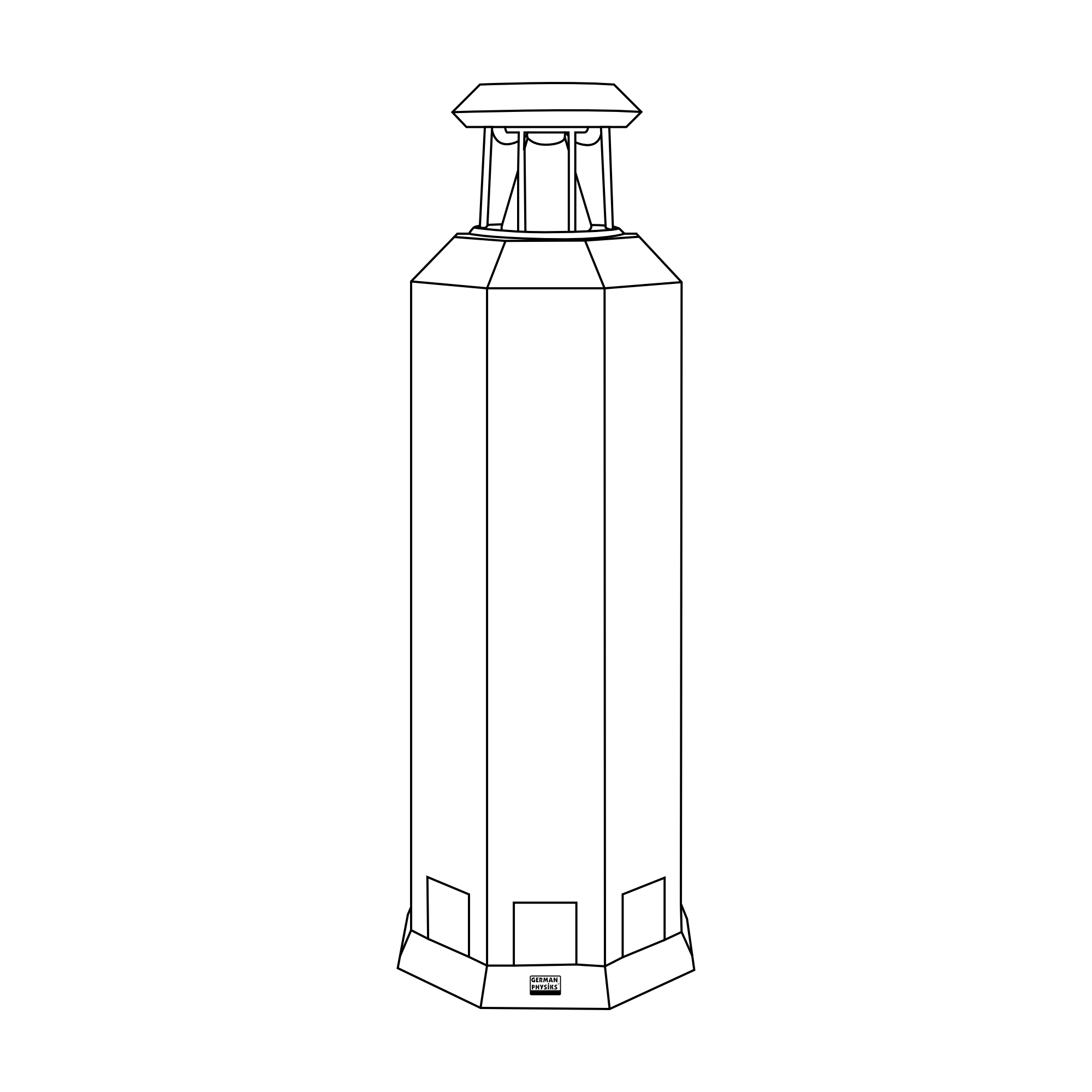
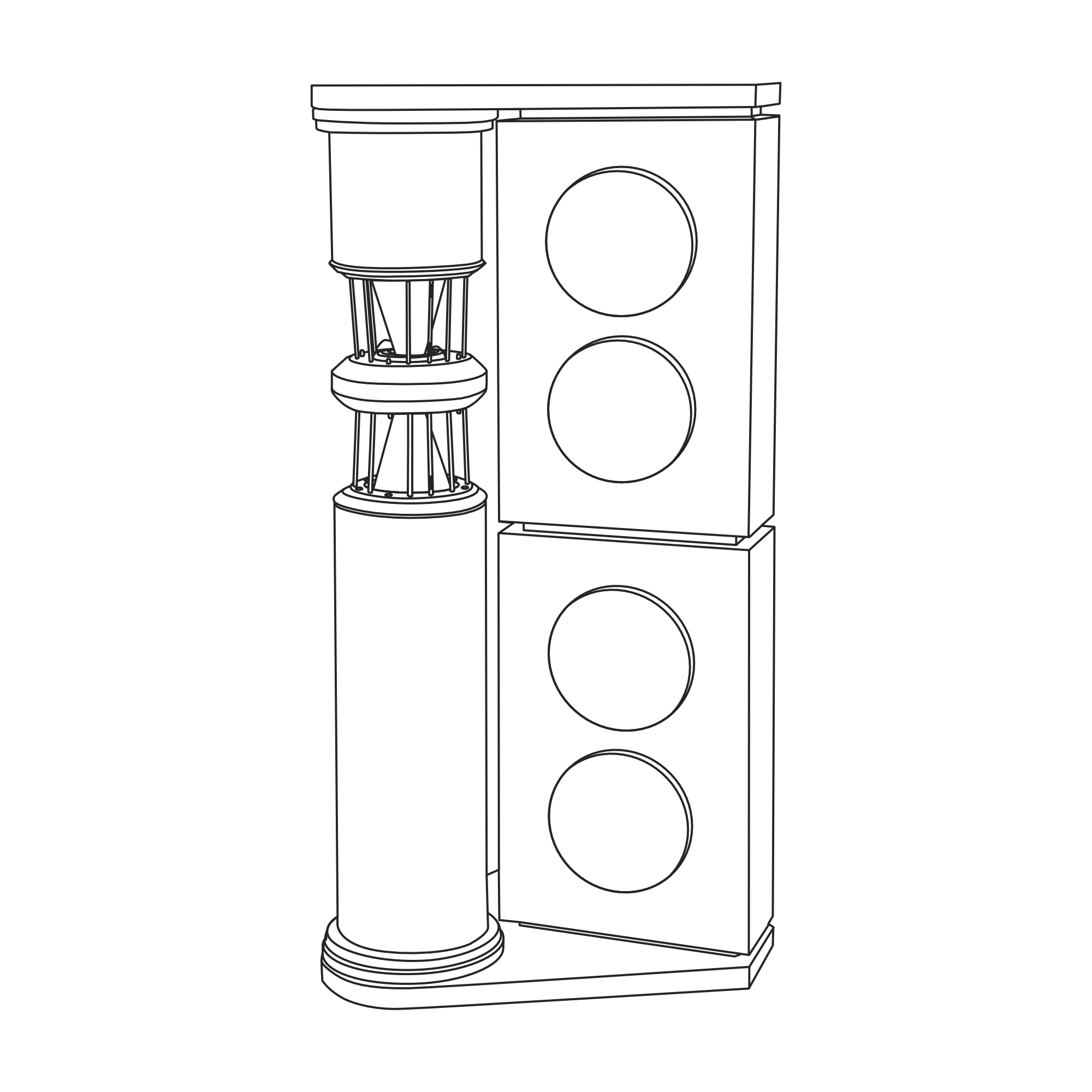
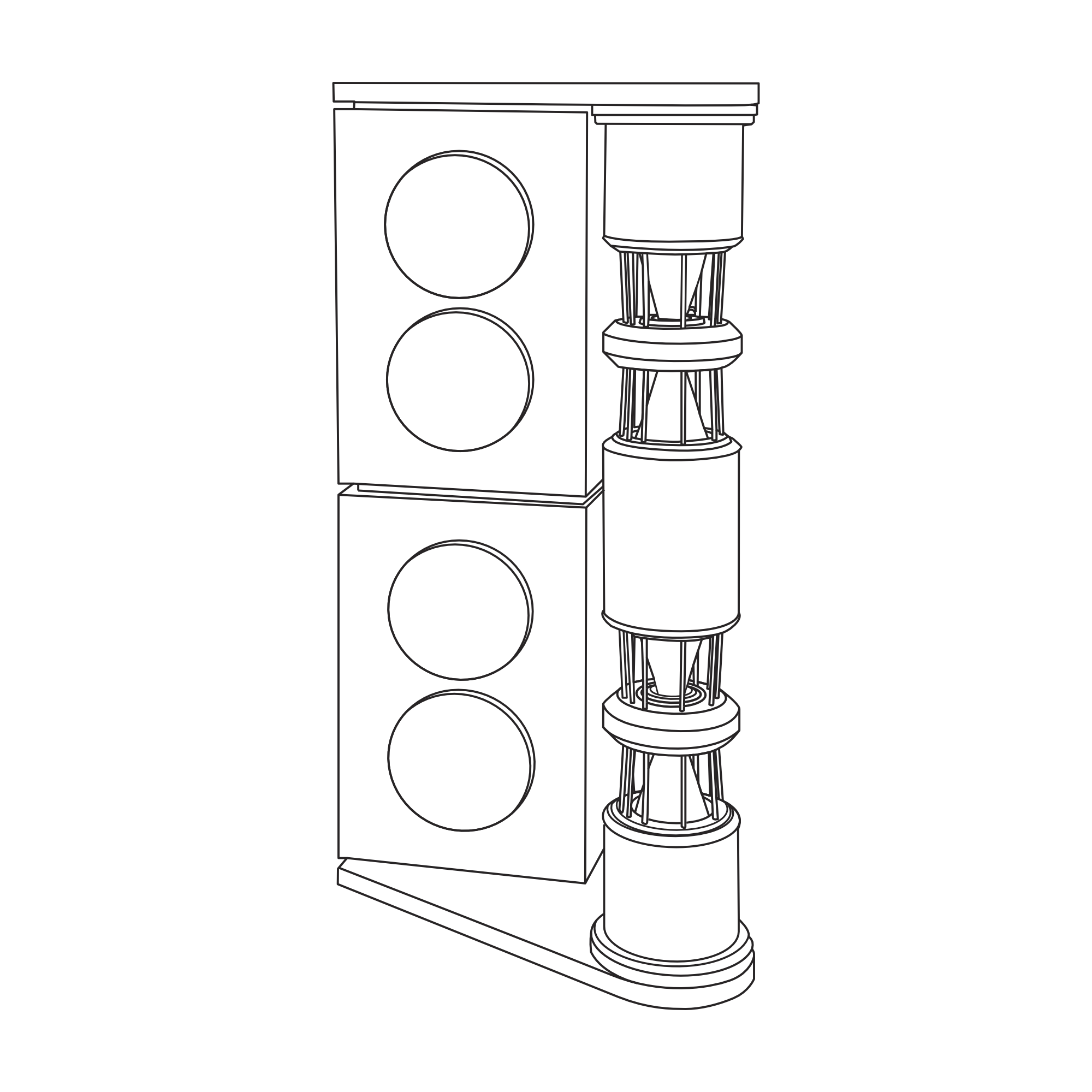
The German Physiks Gaudi Mk III is the latest version of our flagship Gaudi omnidirectional loudspeakers. It uses four German Physiks carbon fibre DDD drivers to create the immersive stereo image and sense of space of the performance venue that German Physiks loudspeakers are famous for. A redesigned bass system provides an authentic low-end that you not only hear, but also experience.
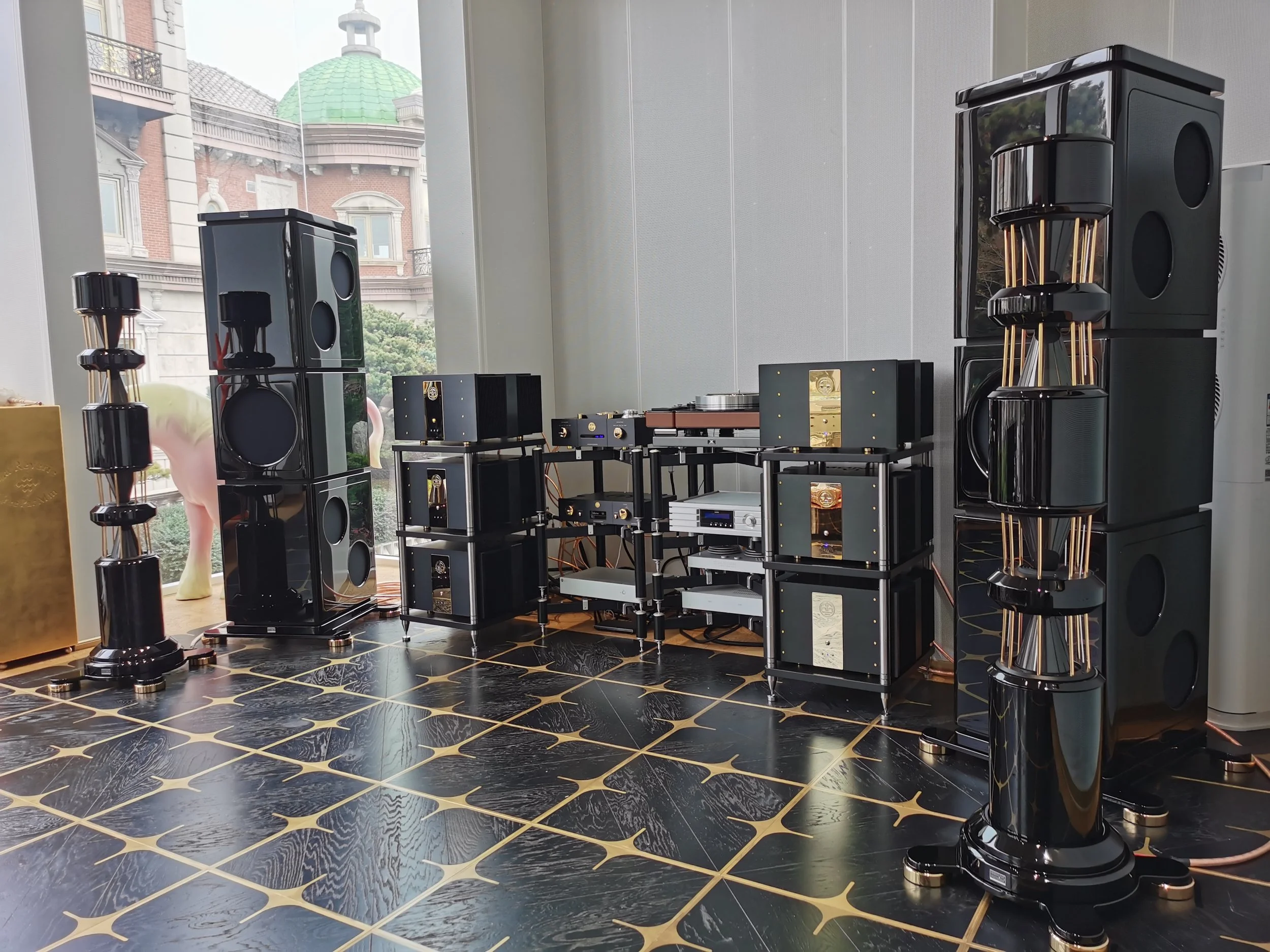
Without equal
The use of four DDD drivers provides live-music like listening levels and dynamics. This, together with the DDD driver’s inherent exceptional transparency, enables the Gaudi Mk III to realistically convey the feeling that you are listening to a real musical performance, rather than a recorded one. The DDD drivers cover the range from 180Hz to 24kHz. This produces outstanding coherence, further enhancing the feeling that you are listening to real musician.
The Gaudi Mk III also offers an exceptional low frequency performance. Each loudspeaker uses one 15-inch woofer and eight 10-inch sub-woofers. This provides a powerful and well-balanced bass that extends down to 18Hz and which is perfectly integrated with the DDD drivers.
The Gaudi Mk III is an active 3-way design. Each section of the loudspeaker driven by a dedicated external power amplifier. To facilitate this and to allow the full potential of this outstanding loudspeaker to be realised, it is supplied with the German Physiks DSP-X digital crossover.
Modular design
The DDD driver and bass sections are constructed as separate modules. This has three advantages:
It allows the Gaudi Mk III to be offered in three levels of performance and it is possible to upgrade to a higher-level version by adding the appropriate extra sections.
The DDD driver section can be used on its own for the rear channels in high-end multi-channel systems.
It makes it easier to position the loudspeaker.
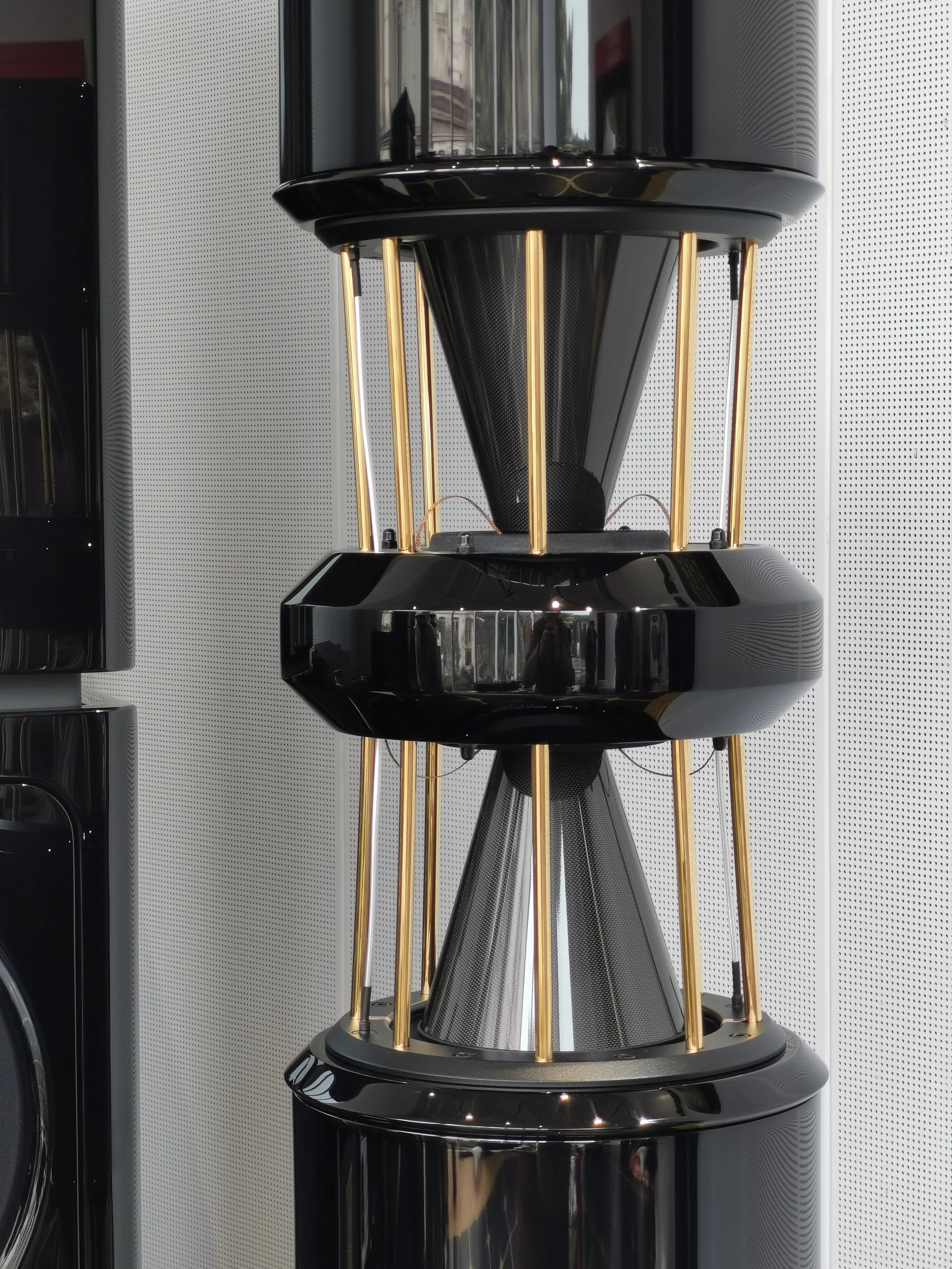
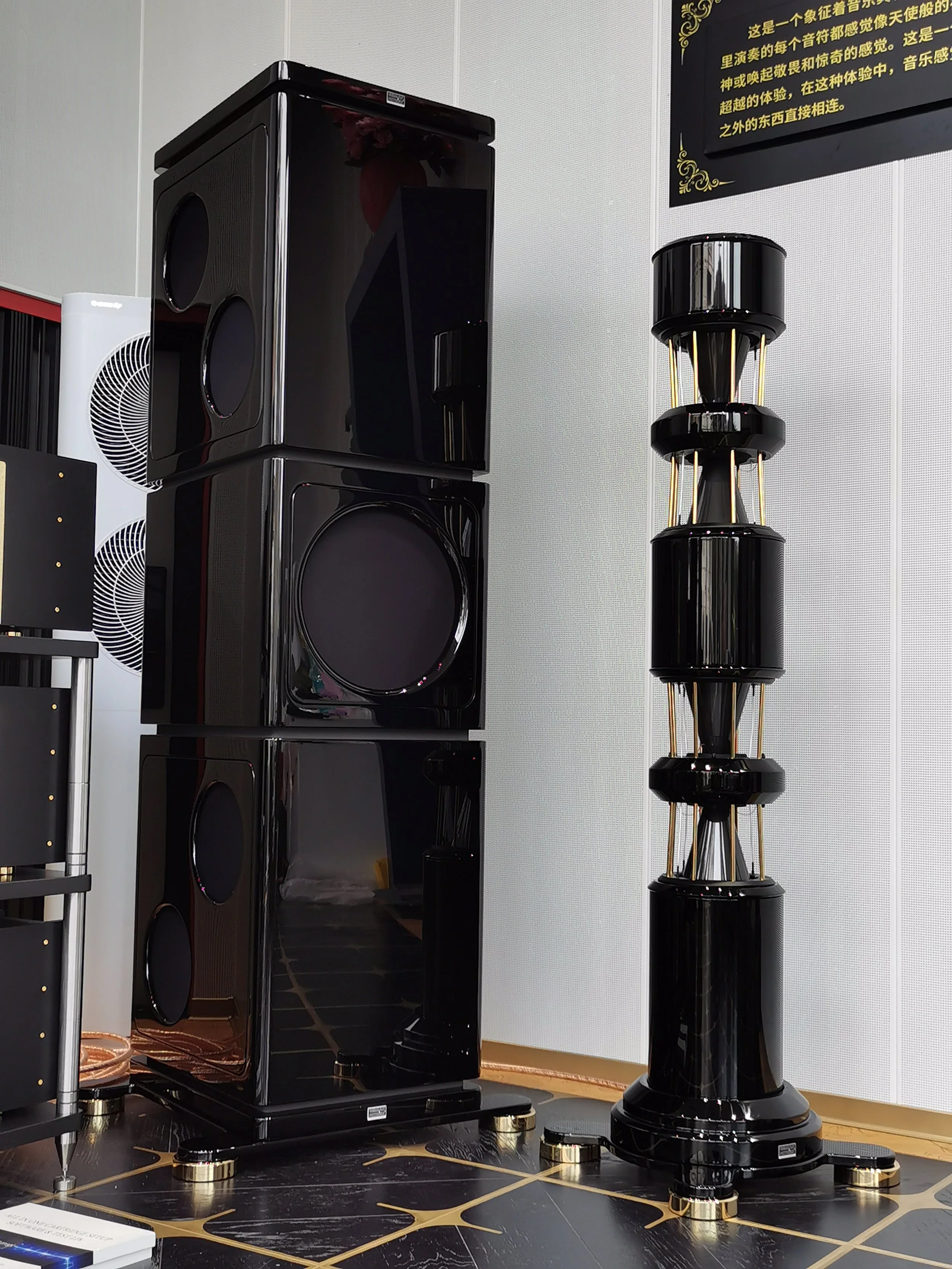
The DDD driver section
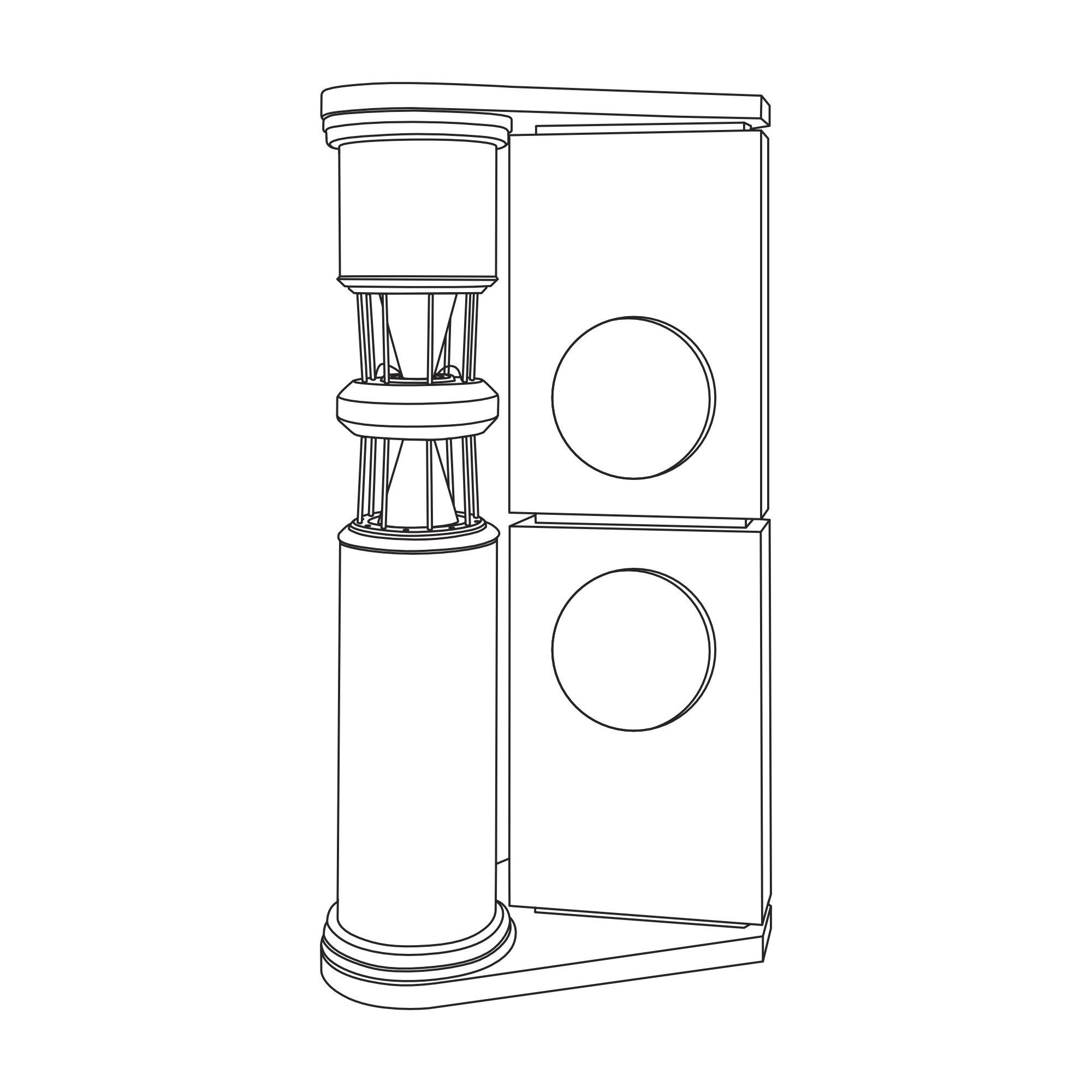
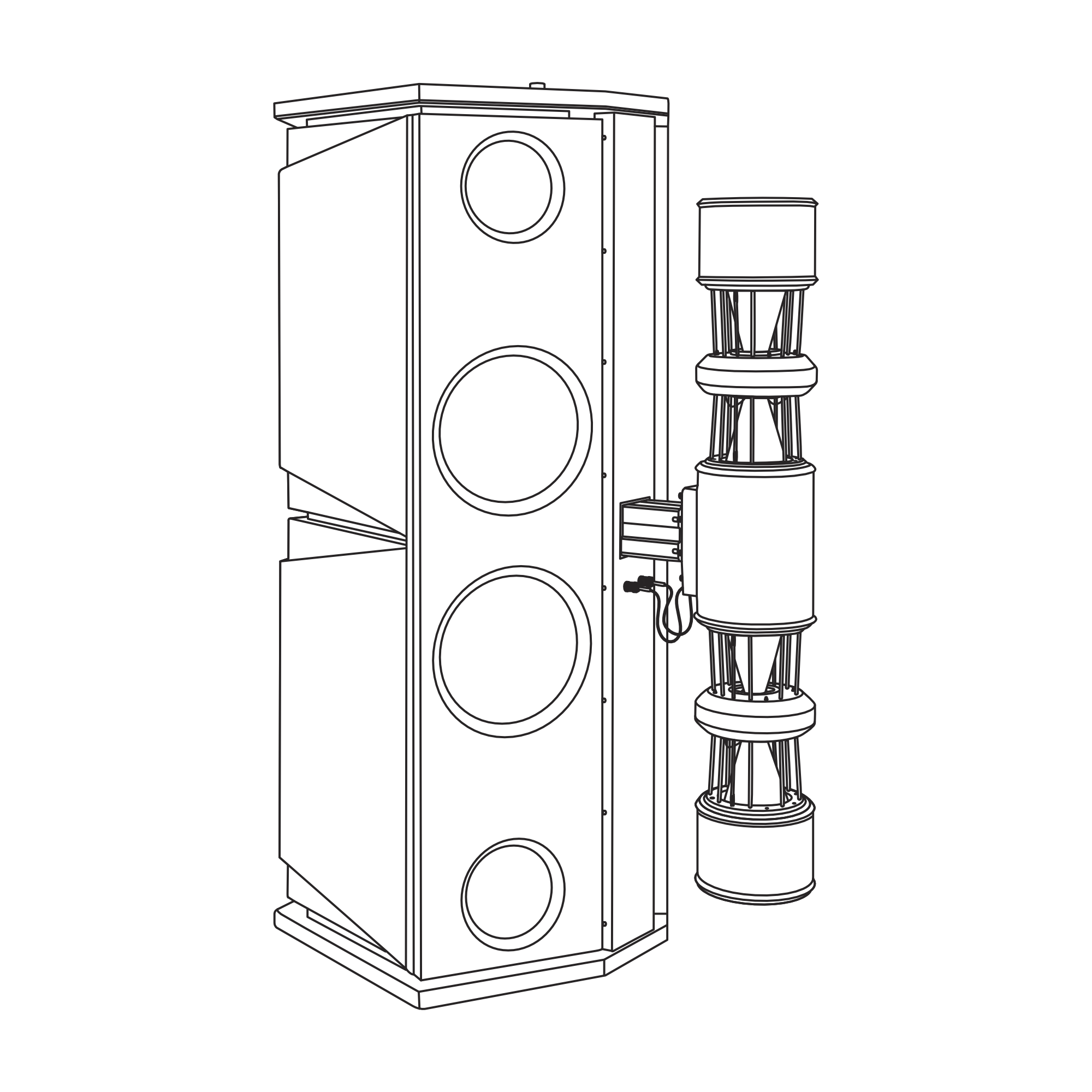
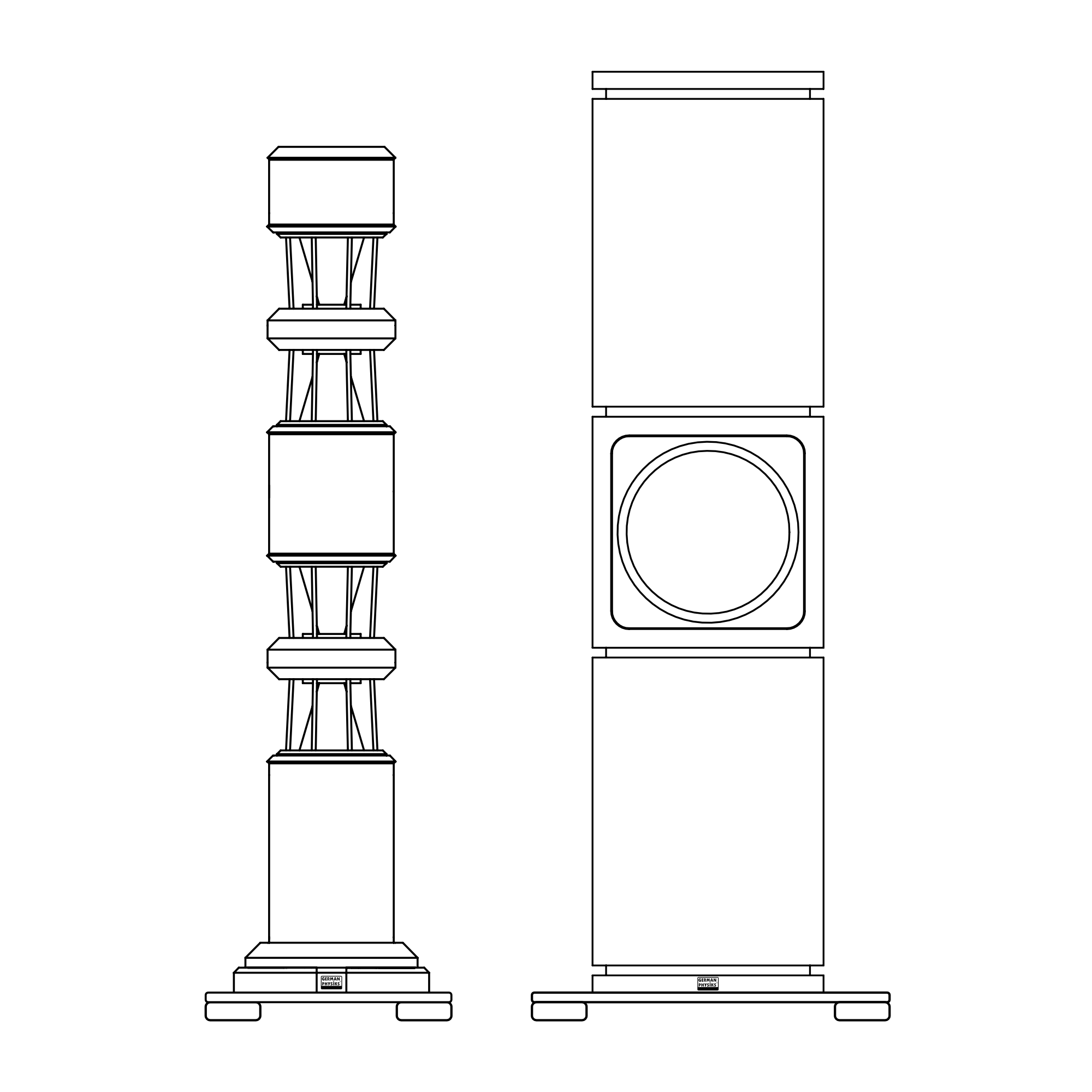
This uses four carbon fibre DDD drivers in a vertical array, similar to the design used in the Gaudi Mk II. The use of four DDD drivers allows live-music-like sound levels up to 118dB to be produced.
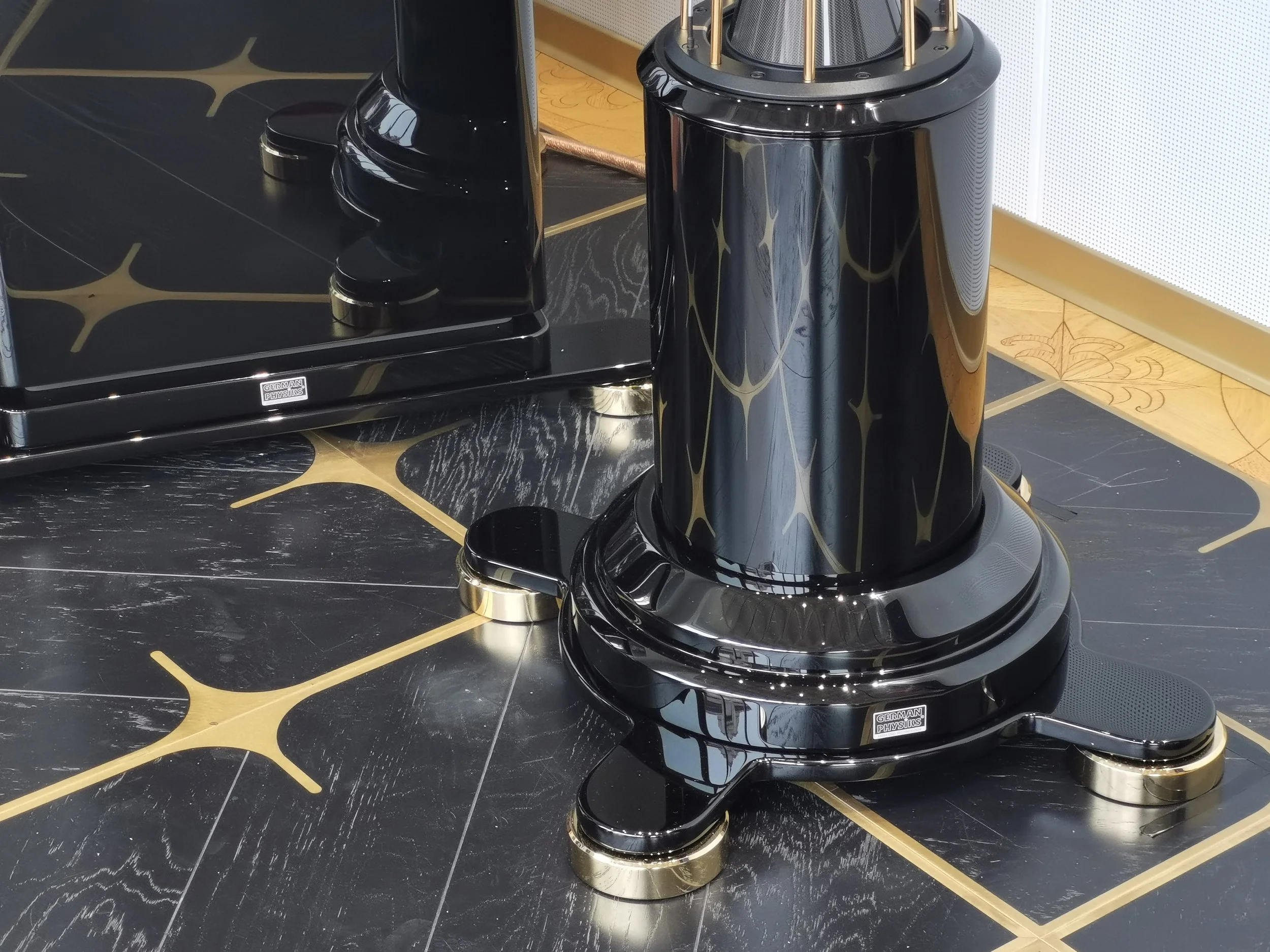
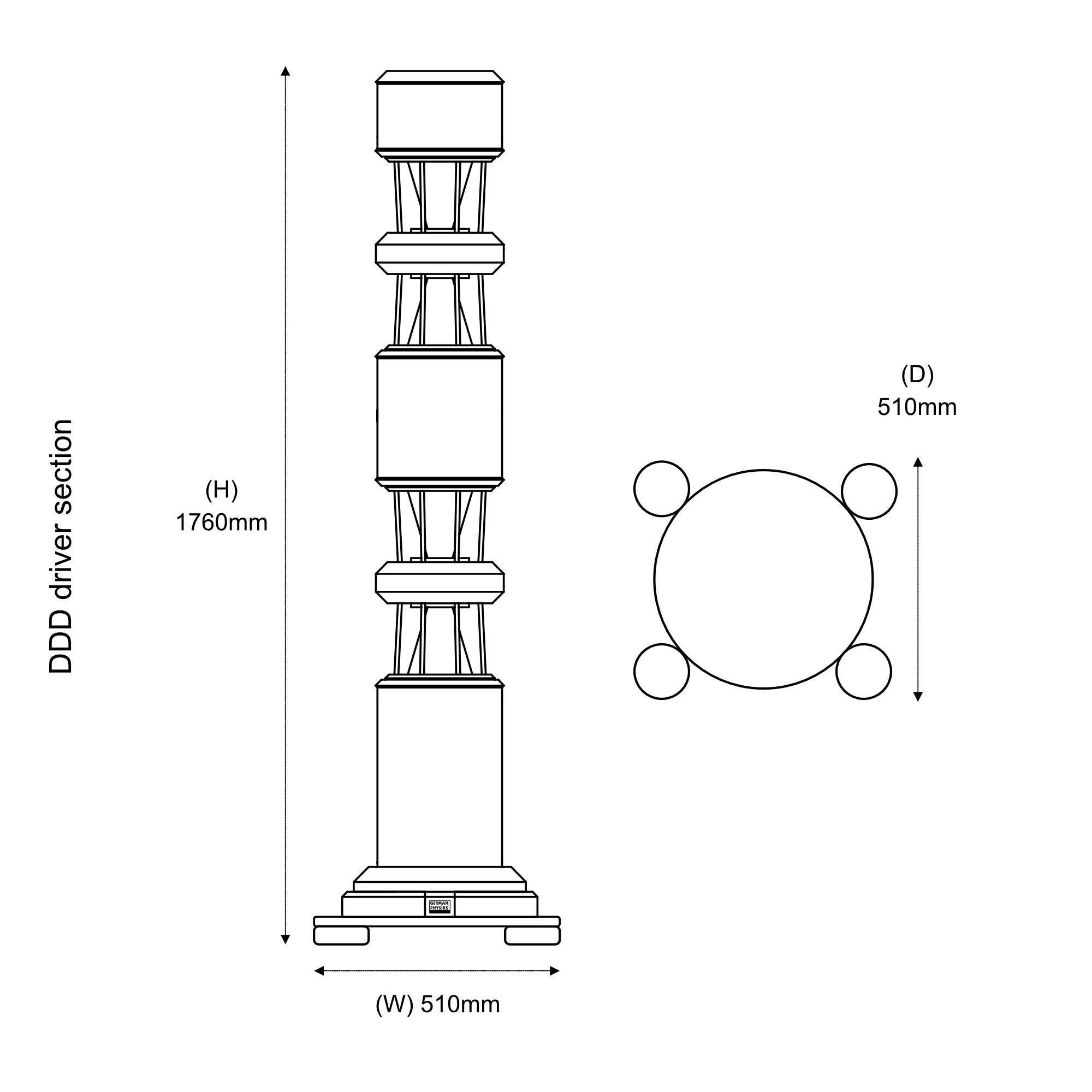
The DDD driver section is designed as a free-standing module, allowing more flexibility in its positioning relative to the bass cabinet. It is mounted on a 19 mm thick steel plate which is fitted with four, easily adjustable, high-quality 10 cm diameter feet.
The combined weight of the base plate and feet is approximately 34 kg, which prevents the DDD driver array from being toppled over.
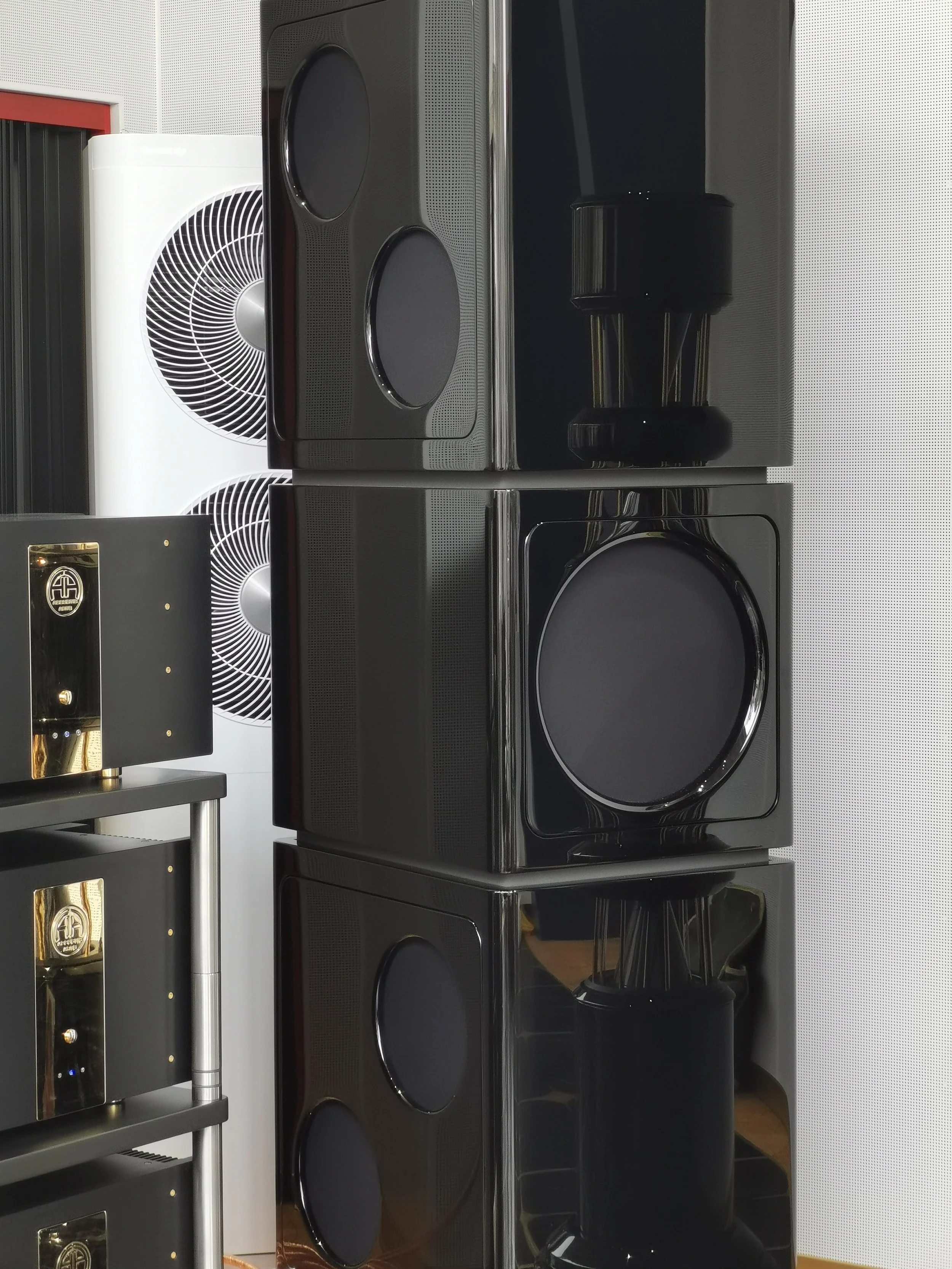
New and powerful bass system
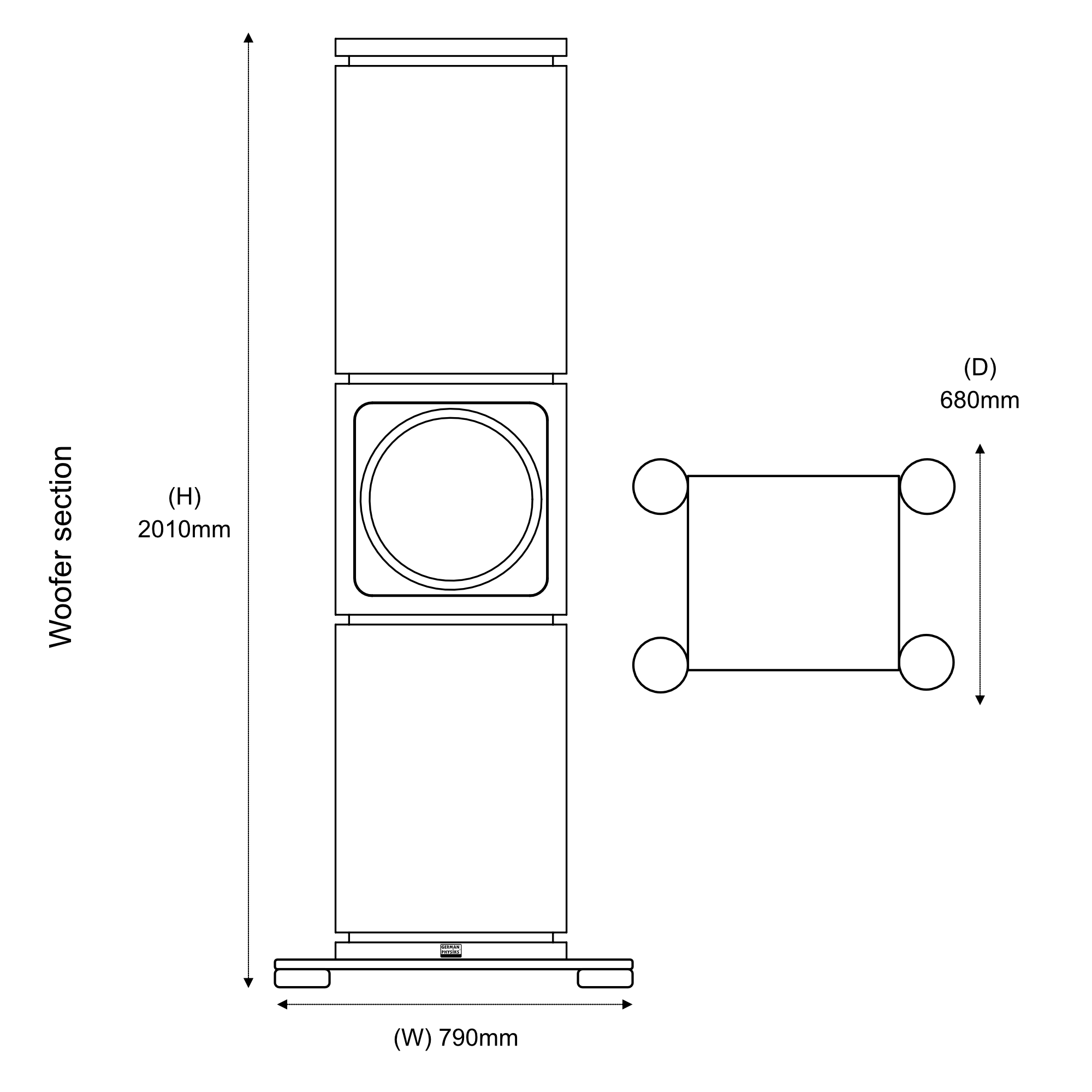
A completely new bass system has been designed for the Gaudi Mk III. This uses three independent cabinets that are stacked on top of each other. The central cabinet is the woofer cabinet. This is fitted with a forward facing 15-inch driver and covers the range from 60Hz to 200Hz.
Above and below this are the two sub-woofer cabinets. Each one is fitted with four 10-inch drivers and these cover the frequency range from 60Hz down to 18Hz. These drivers are arranged two on each side of each cabinet. This arrangement cancels out their reaction forces, which could otherwise cause the cabinets to move and which in turn could reduce the clarity of the bass.
Like the DDD driver array, the bass section is mounted on a 19 mm thick steel plate which is fitted with four, easily adjustable, high- quality 10 cm diameter feet. The combined weight of the base plate and feet is approximately 61 kg, which prevents the bass system from being toppled over.
Optional infra-sub-woofer
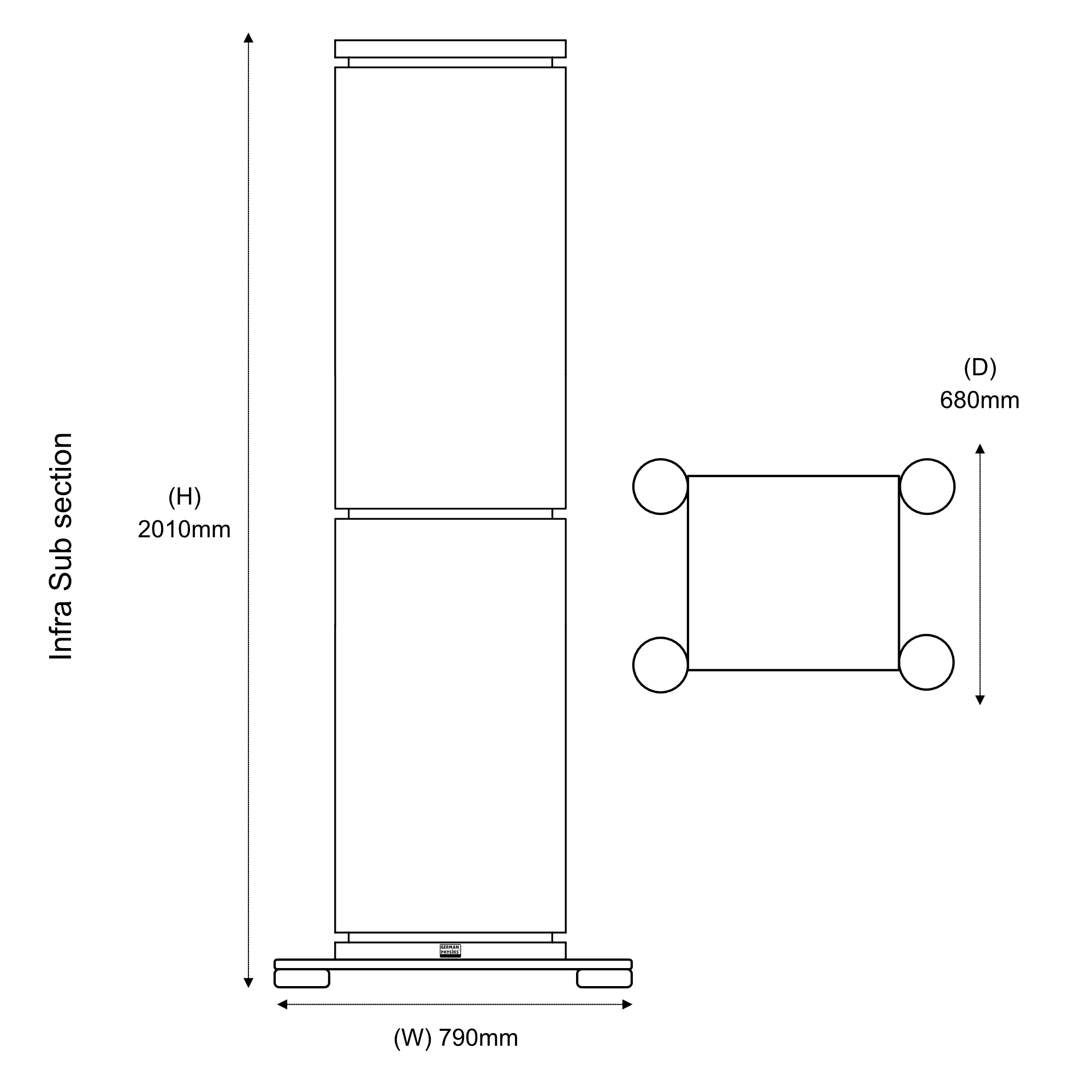
For listeners who demand the ultimate in low frequency performance, the Gaudi Infra-Sub is available as an optional extra. This uses a similar construction to the bass section, but with only two cabinets. Each cabinet houses an 18-inch driver. This is mounted on the side of the cabinet, with the cabinets arranged so that the two drivers are firing in opposite directions. This serves to cancel out the reaction force the drivers produce and provide a cleaner and tighter ultra-low bass.
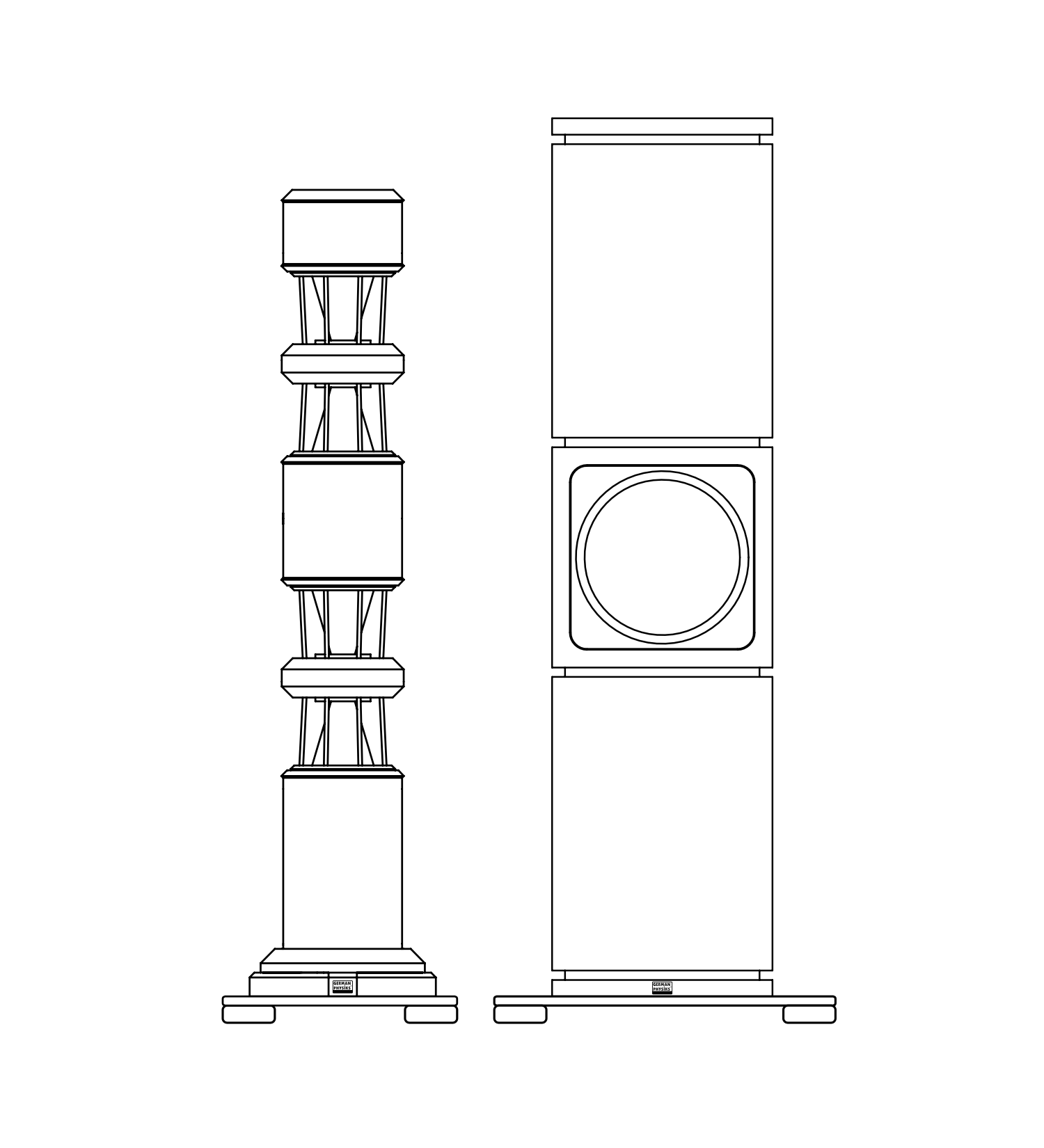
Upgradeable design
The Gaudi Mk III is available in three versions:
Gaudi Standard
Each channel uses one DDD driver section and one bass section.
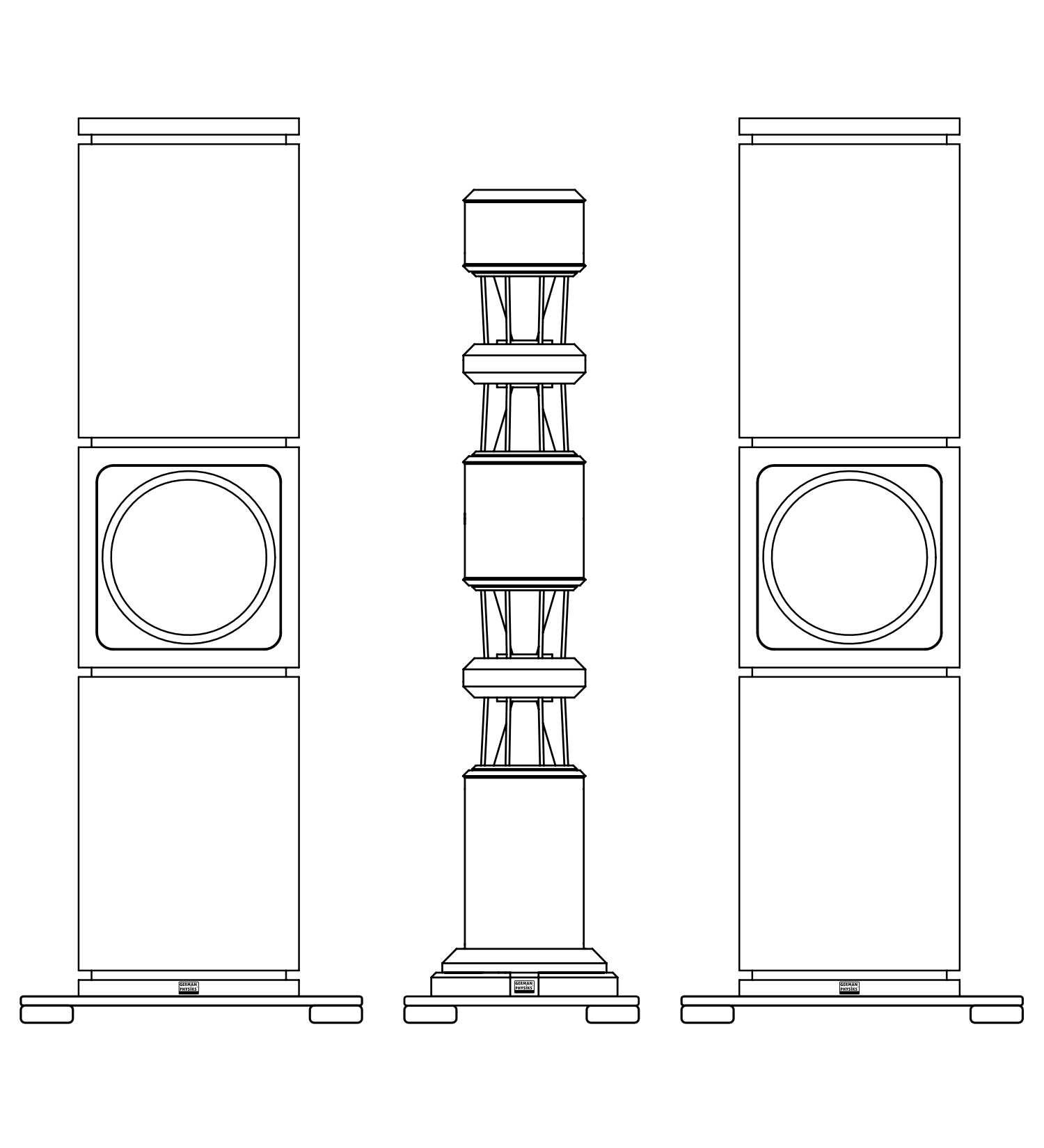
Gaudi Maxx
This is the same as the Gaudi standard, but with one extra bass section per side.
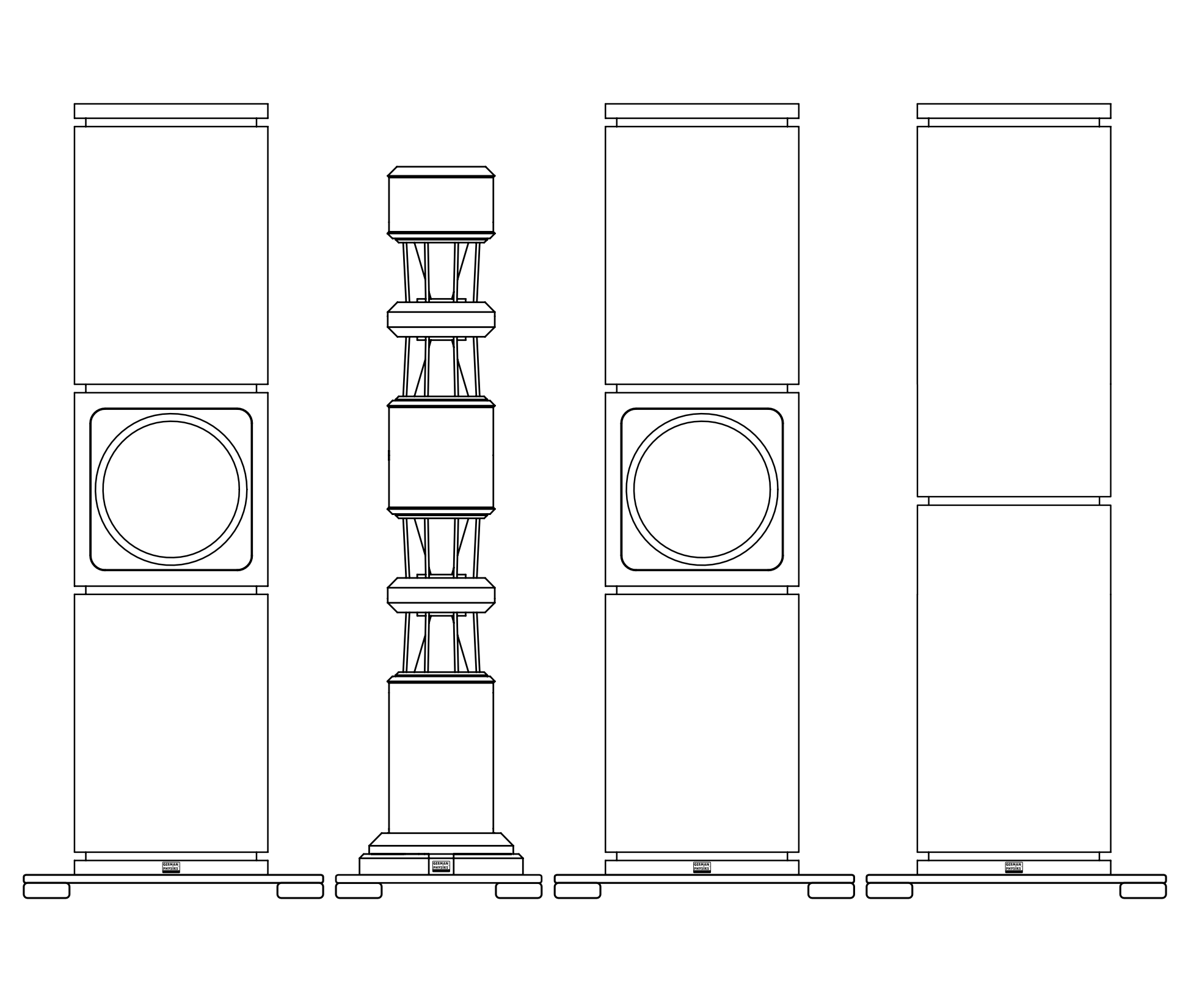
Gaudi Ultimate
This is the same at the Gaudi Maxx, but with a Gaudi Infra Sub subwoofer.
You can go even higher
It is possible to upgrade the Gaudi Mk III to higher specification versions by adding the extra bass and infra-sub sections required.
Multi-channel system owners can order extra DDD driver sections for the rear channels.
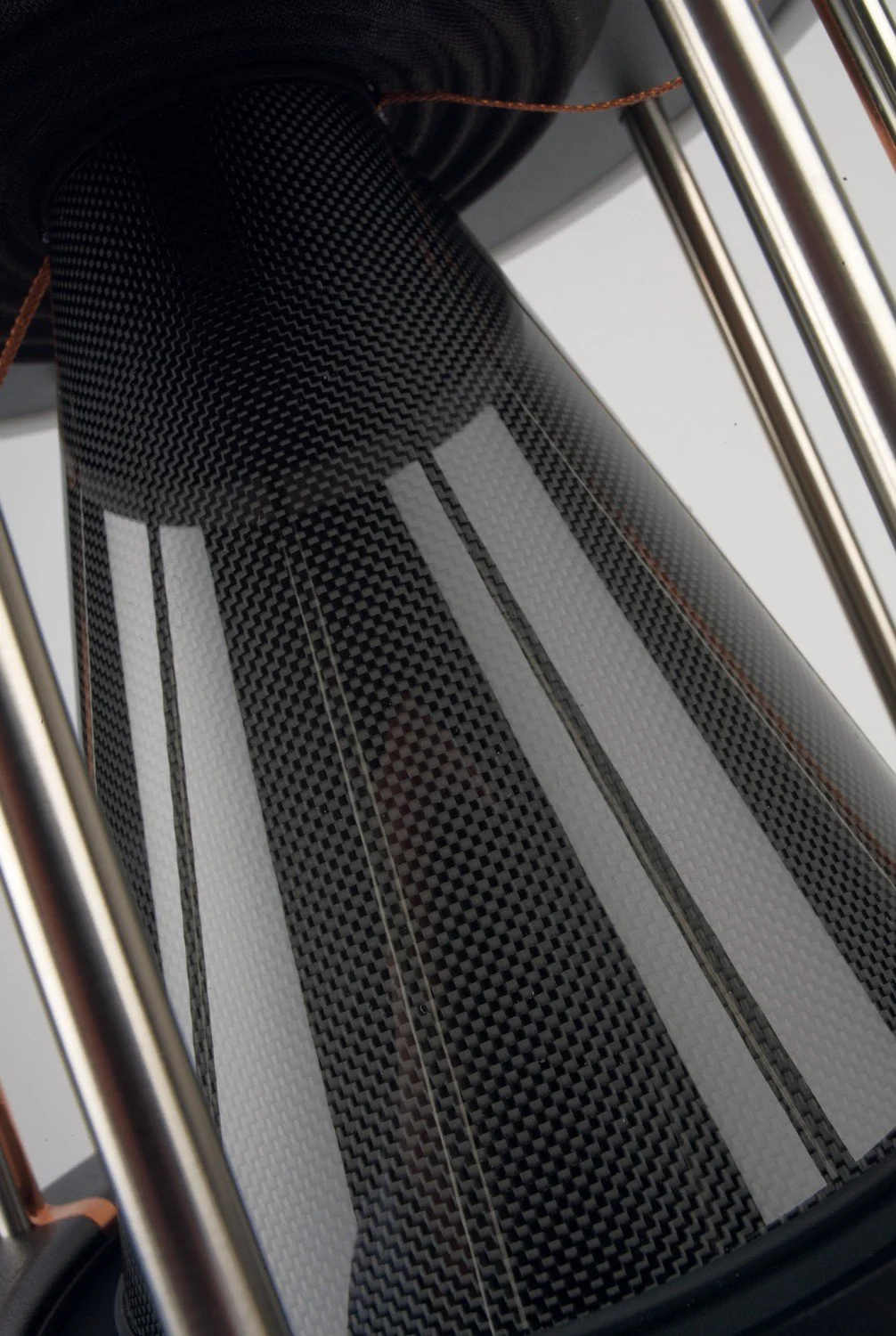
The revolutionary DDD driver
The heart of all German Physiks loudspeakers is our revolutionary DDD driver. This is an omnidirectional driver with an exceptionally wide frequency range. Despite its simple appearance, it is in reality an extremely sophisticated design.
It provides 8 important advantages to all German Physiks loudspeakers and this combination is what sets them apart from other loudspeakers.
A realistic stereo image more like you experience in the concert hall.
A stereo image that is enjoyable in almost all positions in your room.
An exceptionally coherent sound.
Accurate portrayal of musical instruments’ tonal characteristics.
An exceptional transient response.
Being omnidirectional they are comparatively quick and easy to set up.
The DDD driver’s low moving mass reduces cabinet resonances.
The carbon fibre DDD driver is physically extremely rugged.
Low resonance cabinet design enhances transparency
To realise the full potential of this loudspeaker, considerable effort has been put into creating a highly rigid structure in order to minimise the radiation of sound energy through the cabinet panels. The colouration this creates is one of the principle causes of degradation of a loudspeaker’s ability to resolve fine detail and thereby produce a sense of realism, as it smears and generally confuses the sound.
For the DDD drivers we solved this problem by having very small enclosures, minimising the area of any potential vibrating surface. By being cylindrical, they eliminate the resonances that can arise with a conventional rectangular or square section cabinet. Because they are made from aluminium, a comparatively soft metal, residual vibration of the enclosure is minimised. The DDD driver enclosure end-caps are made from non-resonant MDF and the enclosure is packed with damping material to dissipate any standing waves. The result is that the German Physiks Gaudi Mk III has the clarity that we normally associate with electrostatic loudspeakers and for the same reason: the DDD drivers essentially have no enclosure to colour the sound.
The bass system covers the range from 200Hz downwards. It is divided into three independent cabinets, so the panels are smaller and therefore stiffer and more vibration resistant than if a single large enclosure were to be used. Internal bracing increases rigidity to suppress resonances. Residual vibration is minimised by applying a special damping material called Hawaphon®, to the inside surface of each panel. Originally developed as an anti-surveillance measure for use in military and government buildings, Hawaphon® achieves broadband attenuation of structure-borne sound of more than 50dB, which is an exceptionally high figure.
To damp resonances of the air within the cabinet, the whole of the interior is lined with a 1cm thick layer of high-density felt. This is achieved by fitting pieces of felt that are precisely cut to fit each panel, rather than just inserting a roll of felt into the cabinet. This is a time-consuming process, but we believe it produces a superior result and is typical of the attention to detail that we lavish on all of our products.
High quality German Physiks Emperor DSP-X digital crossover
The Gaudi Mk III is designed for active operation. In this arrangement, the usual passive crossover is omitted and each section of the loudspeaker is driven directly by a separate external power amplifier. Naturally we recommend our own excellent Emperor stereo and mono power amplifiers here, but the customer is free to use the power amplifiers of their choice, provided that they meet the minimum power requirements shown in the adjacent table and that they all have the same gain.
The signal to drive each power amplifier is provided by an Emperor Extreme DSP-X digital crossover, which is supplied with the loudspeaker. This high-quality unit is constructed using premium components and is housed in a heavy steel and aluminium chassis.
Active operation with a digital crossover provides the following advantages:
It allows much better damping and control of the drivers and also provides a significant improvement in dynamics and resolution.
With a digital crossover, the filter characteristics can be much more accurately defined.
The possibility of a difficult low frequency load that can occur with some passive crossover designs and which can cause some amplifiers to clip is eliminated. Needless to say, the passive crossovers in German Physiks loudspeakers are well behaved in this respect.
It eliminates the changes in crossover characteristic that can occur with a passive crossover if the loudspeaker is played at high levels for long periods and the component values drift due to heating.
The resistive elements in a passive crossover that dissipate power are eliminated, increasing efficiency.
The Emperor Extreme DSP-X is pre-configured at the factory, so all the customer has to do is connect it into the system and switch it on. The output levels of the crossover’s three sections can be adjusted via a front panel control. This allows a degree of compensation for room response errors.
| Section | Minimum Power |
|---|---|
| DDD drivers | 200W / 4 ohms |
| Woofers | 150W / 4 ohms |
| Sub-woofers | 270W / 4 ohms |
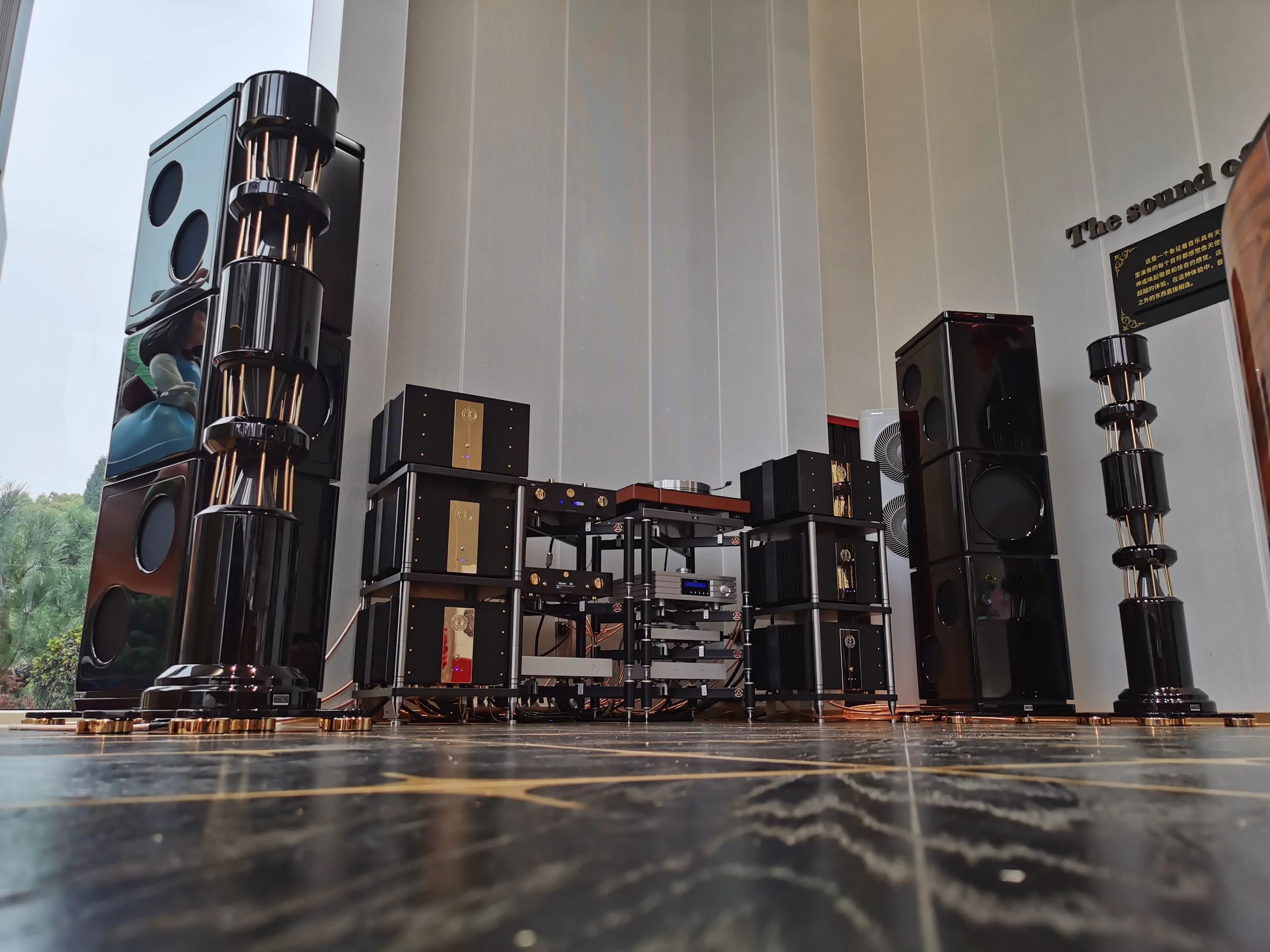
For a big loudspeaker the Gaudi Mk III is surprisingly easy to move and set-up
The DDD driver’s omnidirectional radiation pattern and wide frequency range make the Gaudi Mk III less critical of its position in the room than conventional loudspeakers, so they are comparatively quick and easy to set up. Another advantage of being omnidirectional is that no toe-in adjustment is required, which further simplifies the set-up procedure.
In addition, the use of separate cabinets for the DDD driver and woofer sections gives even more flexibility in the positioning of the loudspeakers within the room.

Designed for a lifetime of listening pleasure
As you would expect from a German product, the quality of construction and reliability are first class. We design for a minimum life expectancy of 25 years.
Meticulous care and attention are paid during manufacture. Prior to assembly all components and materials are subject to a rigorous inspection. We also carry out detailed inspections at each stage of the manufacturing process. We can afford to do this as we build our products by hand in small batches. After assembly, the performance of each loudspeaker is measured. It is then burnt-in for at least 12 hours and then measured again. Once the burn-in process is complete, each loudspeaker is given a final detailed physical inspection before being packed.
Expert set-up service
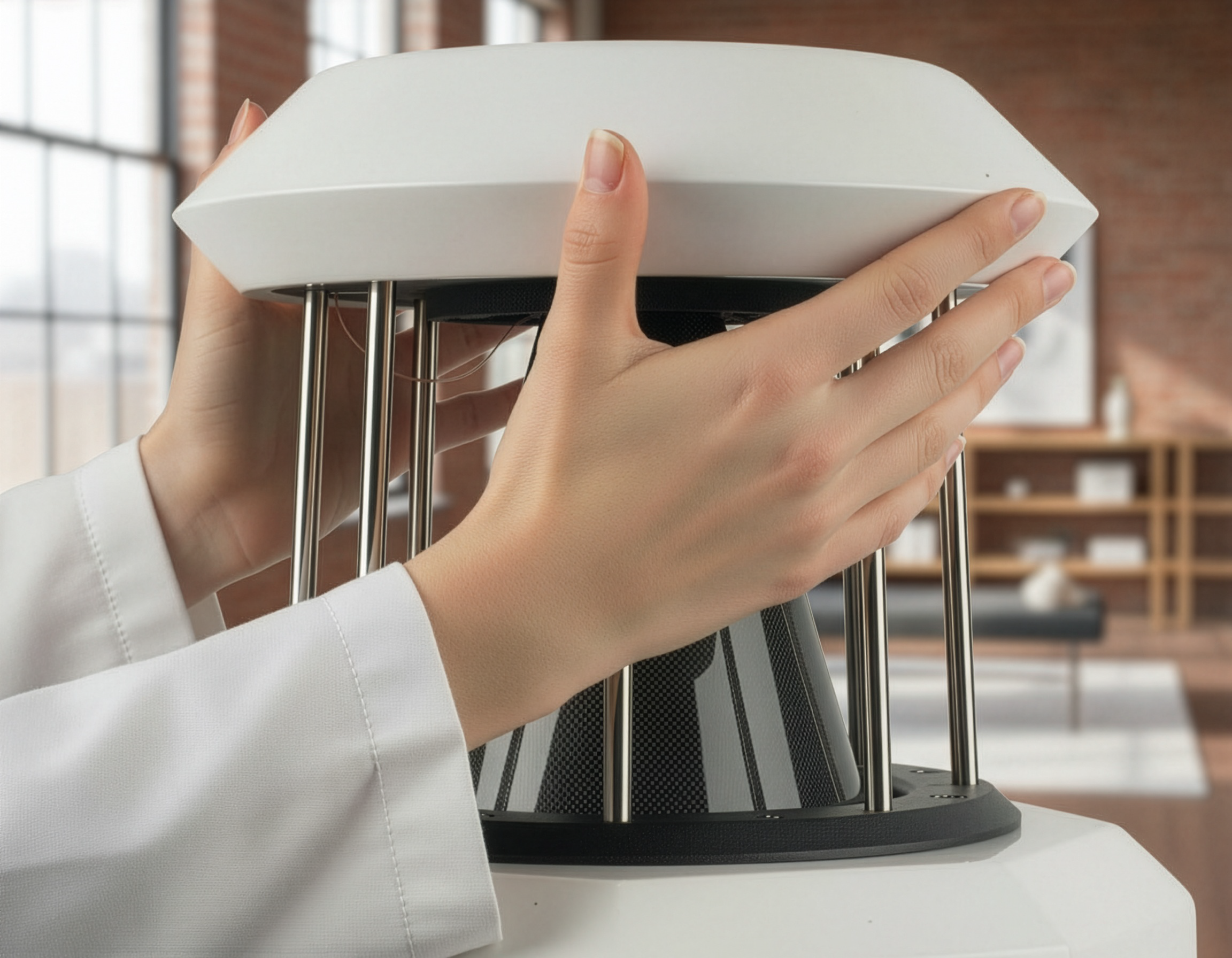
For customers who want the ultimate level of set-up, for an extra fee, an engineer from German Physiks will visit the customer’s home to unpack, assemble and set-up the loudspeakers. This is not available in all territories.
Finish options
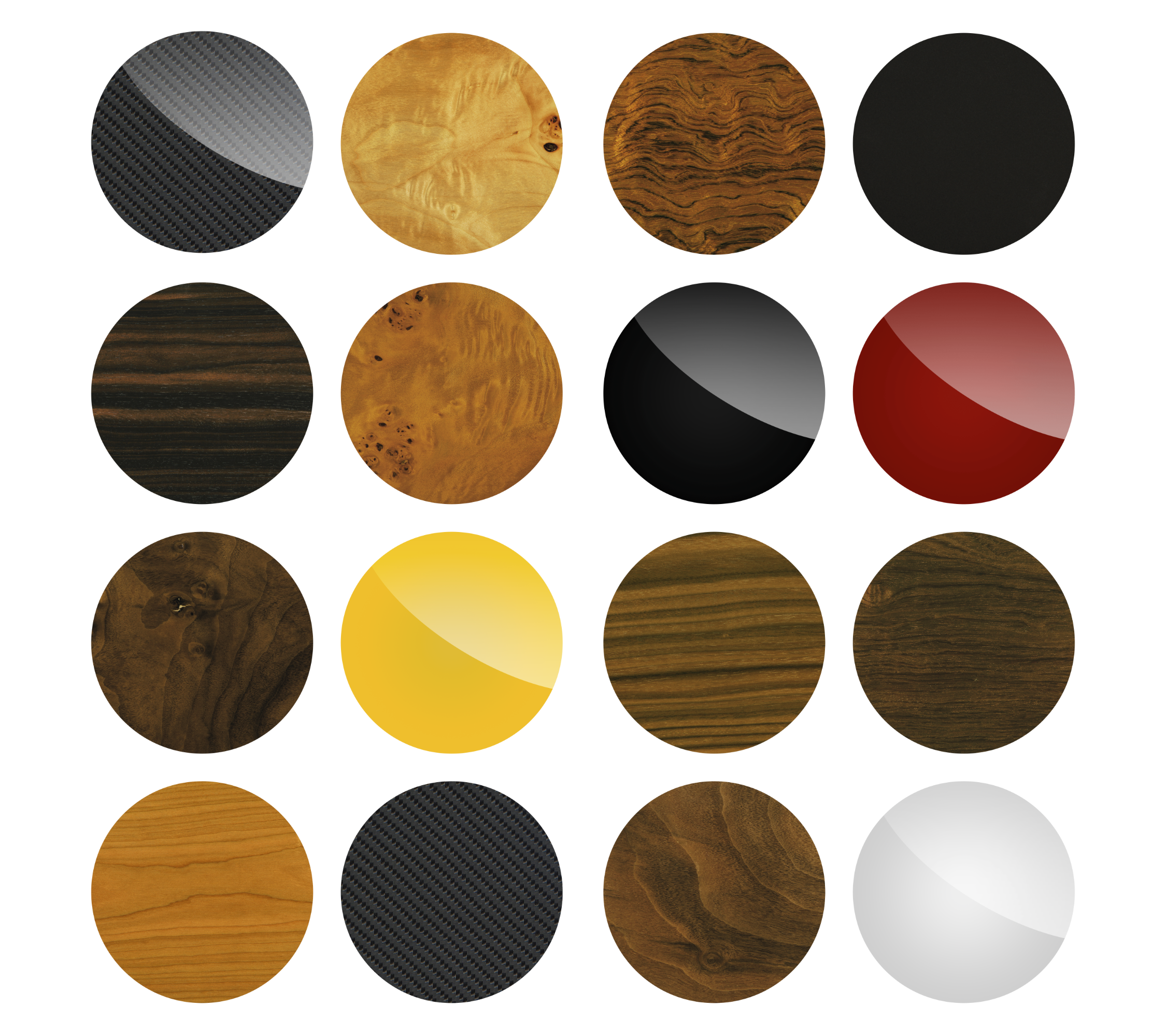
To achieve a luxurious look that matches their outstanding sound quality, all our loudspeaker cabinets are hand-built and finished in Germany by skilled cabinet makers.
The standard finish for both the DDD driver section and the bass section is black or white high polish polyester. High polish polyester in custom colours is also available to special order.
The Gaudi Mk III’s novel design allows for a wide range of finish options.
Detachable trim panels around the woofer and subwoofer drivers are finished in black or white high polish polyester as standard. They may also be ordered finished in custom colour high-polish polyester, high-polish veneer, carbon fibre or leather. They are held in position by neodymium magnets which are embedded within the cabinet and which are invisible when the trim panels are in position. The panels can be quickly and easily changed. A customer may purchase more than one set of trim panels and then change them as they wish.
The base plates, feet and input terminal plates on both sections and the DDD driver support bars are finished in high-polish stainless steel as standard. These can be ordered with 24 carat gold plating.
Impedance DDD driver section: 4 ohms
Woofer section: 4 ohms
Sub-woofer section: 4 ohms
Frequency response: 18 - 24,000Hz
Amplification required: 3 power amplifiers per channel
DDD section: minimum power 200 W/4ohms
Woofer section: minimum power 150 W/4 ohms
Sub-woofer section: minimum power 270 W/4ohms
Crossover frequencies: 60 Hz & 200 Hz
Sensitivity: 89 dB for 1W at 1 metre
Maximum output level: 118 dB
Operating principle: 3-way loudspeaker with 360° radiation using the DDD driver
Drivers: 4 x carbon fibre DDD drivers / 1 x 15-inch woofer / 8 x 10-inch sub-woofers
Recommended room size: 50 - 300 square metres / 530 – 3,170 square feet
Dimensions: DDD / Woofer
DDD driver section: 51 cm W x 176 cm H x 51 cm D
Woofer section: 79 cm W x 201 cm H x 68 cm D
Weight DDD driver section – Approximately 94 kg
Woofer section: Approximately 353 kg
Supplied accessories: Emperor DSP-X digital crossover
Warranty: 5 years
As part of our process of continually improving our products, we reserve the right to change specifications without notice
German Physiks DDD Loudspeakers Models
-
![Line drawing of a tall, rectangular scientific instrument with a wider top and a base with four sides, featuring a small label at the bottom.]()
The HRS-130
LOUDSPEAKER
-
![Line drawing of a tall, hexagonal structure with a distinctive top, labeled 'German Physics' at the bottom.]()
The Borderland Mk IV
LOUDSPEAKER
-
![Black and white illustration of a tall, hexagonal physics laboratory apparatus, labeled "GERMAN PHYSICS" at the base.]()
The Carbon Mk IV
LOUDSPEAKER
-
![Line drawing of a 3D printer with a spool of filament on the side.]()
The PQS-302
LOUDSPEAKER
-
![Line drawing of a rocket next to a tall cabinet with three large circular doors.]()
The PQS-402
LOUDSPEAKER
-
![Line drawing of a vintage street lamp with a curved base, decorative pillars, and multiple lantern-style lights on a black background.]()
The Loreley Mk III
LOUDSPEAKER
-
![Line drawing of a large speaker system connected to a cylindrical device with a lens, mounted on a black background.]()
The Emperor Mk II
LOUDSPEAKER
-
![Line drawing of a black and white high-voltage electrical tower and a stack of three washing machines.]()
The Gaudi Mk III
LOUDSPEAKER