|
German Physiks Newsletter No. 11 $$PLAIN_TEXT_PREVIEW$$
|
March 2020 | Newsletter No. 11
|
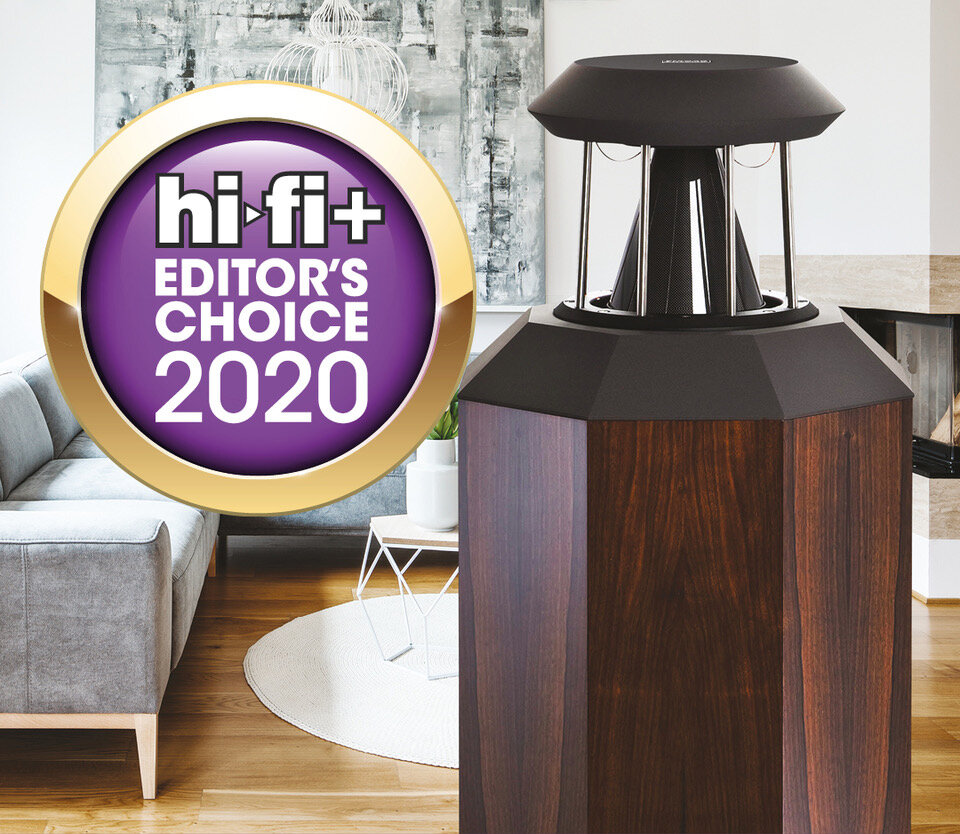
Borderland Mk IV Loudspeakers win HiFi+ Editors’ Choice Award
|
|
Welcome to our March newsletter. Covid 19 is is presenting us with unprecedented challenges. We hope that you and your families will stay safe and that in due course we will emerge from these dark times. There is a wealth of information available telling us how to keep ourselves and our families safe. The only thing we would like to add, is to ask that if you have any elderly neighbours, please check in on them to see that they are OK. The big news in this issue is our Borderland Mk IV loudspeaker receiving an Editors’ Choice award from the UK audiophile magazine HiFi+. We have also looked into the evolution of the Borderland design, from the Mk I in 1992 to the current Mk IV.
|
|
Our Borderland Mk IV loudspeaker has just received its first Editors’ Choice award from the leading UK audiophile magazine HiFi+. Alan Sircom, the editor of HiFi+ wrote an extremely informative and insightful review of the Borderland. If you want to know just how the Borderland sounds, short of auditioning a set yourself, this is the next best thing. You can find a link to Alan’s review below. Just to give you a taste here are a couple of quotes: “The Borderland has all those properties we’ve come to expect from German Physiks loudspeakers, but more so. There’s that outstanding imagery, which is not limited to one place in the room. There’s also that fine top-to-bottom coherence of sound, the extension and grace without an overtly ‘audiophile’ faux sound, and so on. But with the Borderland, this all comes together with a larger, more physically ‘in the room’ presentation that is as potent as it is beguiling.”
“… the German Physiks Borderland Mk IV represents an exciting, musically energetic and live-sounding experience, more like the real thing than many loudspeakers. If you aren’t set in your audiophile ways, this loudspeaker demands a listen and comes strongly recommended.” Read the original HiFi+ review here. For more information on the Borderland Mk IV please visit the product web page.
|
The History of the German Physiks Borderland
|
|
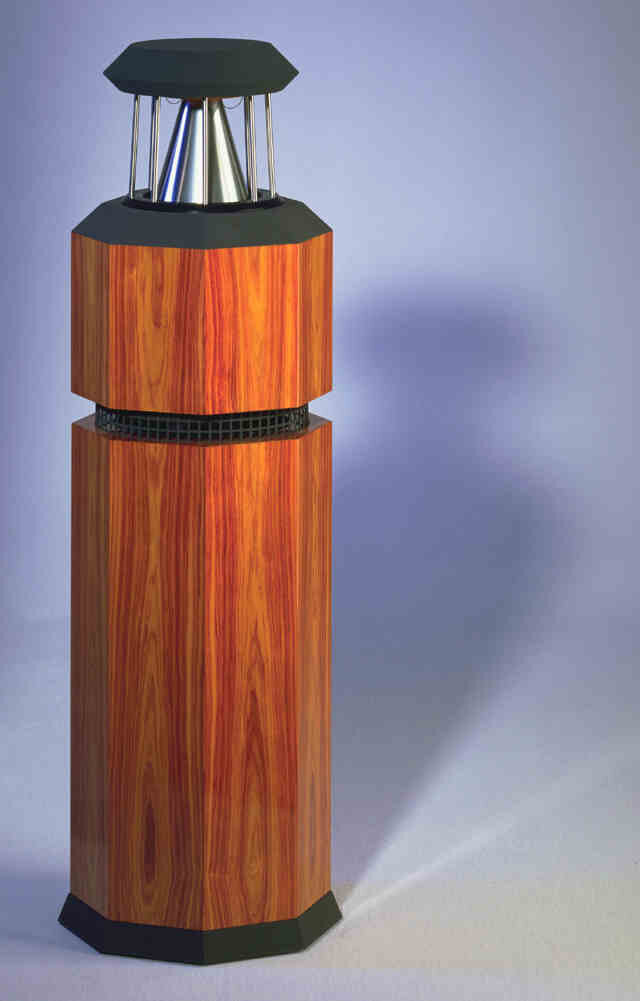
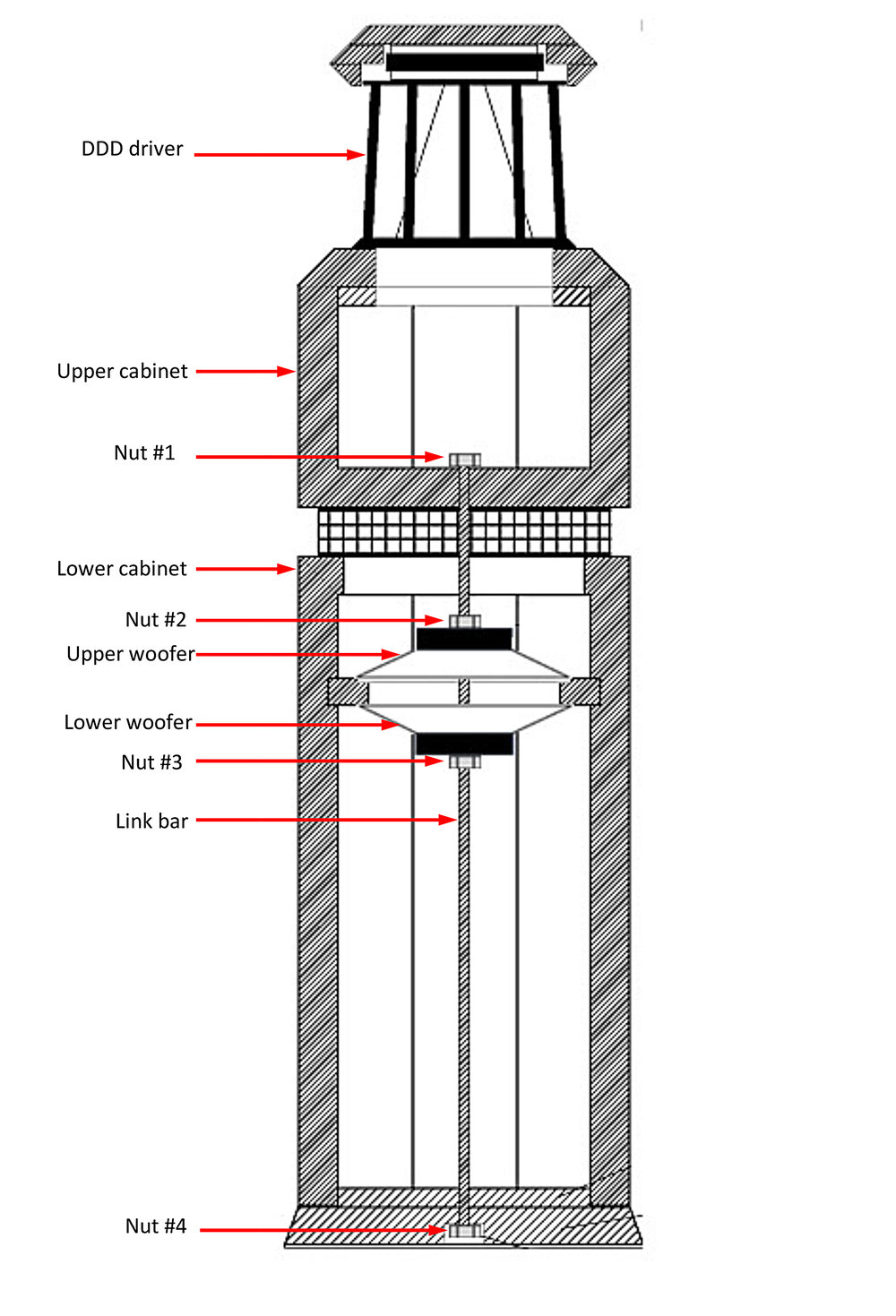
The original version of the German Physiks Borderland, the Mk I, was introduced in 1992. It was the first loudspeaker produced by German Physiks and the first loudspeaker to use the then newly developed DDD driver. It used an octagonal cross-section cabinet, with a single titanium DDD driver mounted on the top, but there the similarity with the current Borderland Mk IV ends. Unlike the current Mk IV, the cabinet was constructed in two parts: an upper cabinet for the DDD driver and a lower cabinet for the bass system. The bass system itself was also totally different to the current Mk IV. It employed two 8-inch woofers in an isobaric arrangement. These were clamped together by a thick threaded bar that ran the length of the bass cabinet, passed through the centres of the woofers and terminated inside the upper cabinet, thereby also securing the two cabinets together. The bass energy was radiated from a circumferential opening located between the two cabinets. The detailed construction of the loudspeaker is shown in the diagram below.
|
|
Because at this time German Physiks was a new company, it took a while for the word to spread about this novel loudspeaker, but the word did gradually spread. At the numerous demonstrations we carried out, listeners were struck by the exceptional coherence and transparency offered by the DDD driver and the fast and well integrated bass offered by the twin woofers. The Borderland Mk I began to sell well in a number of markets, especially in the Far East. The basic design continued through the Mk II and Mk III versions until 2008, when the Borderland Mk IV was introduced. Throughout this time, the Borderland has been our best selling product in practically every market. It has an ideal mix of attributes. It provides a very high level of performance at its price point; the cabinet is comparatively compact so it fits easily into most rooms; it is not an unduly difficult load to drive, allowing it to be used with a wide range of electronics and it can work well in a wide range of room sizes - 15 sq m to 90 sq m (160 sq ft to 950 sq ft).
|
The German Physiks Borderland Mk IV
|
|
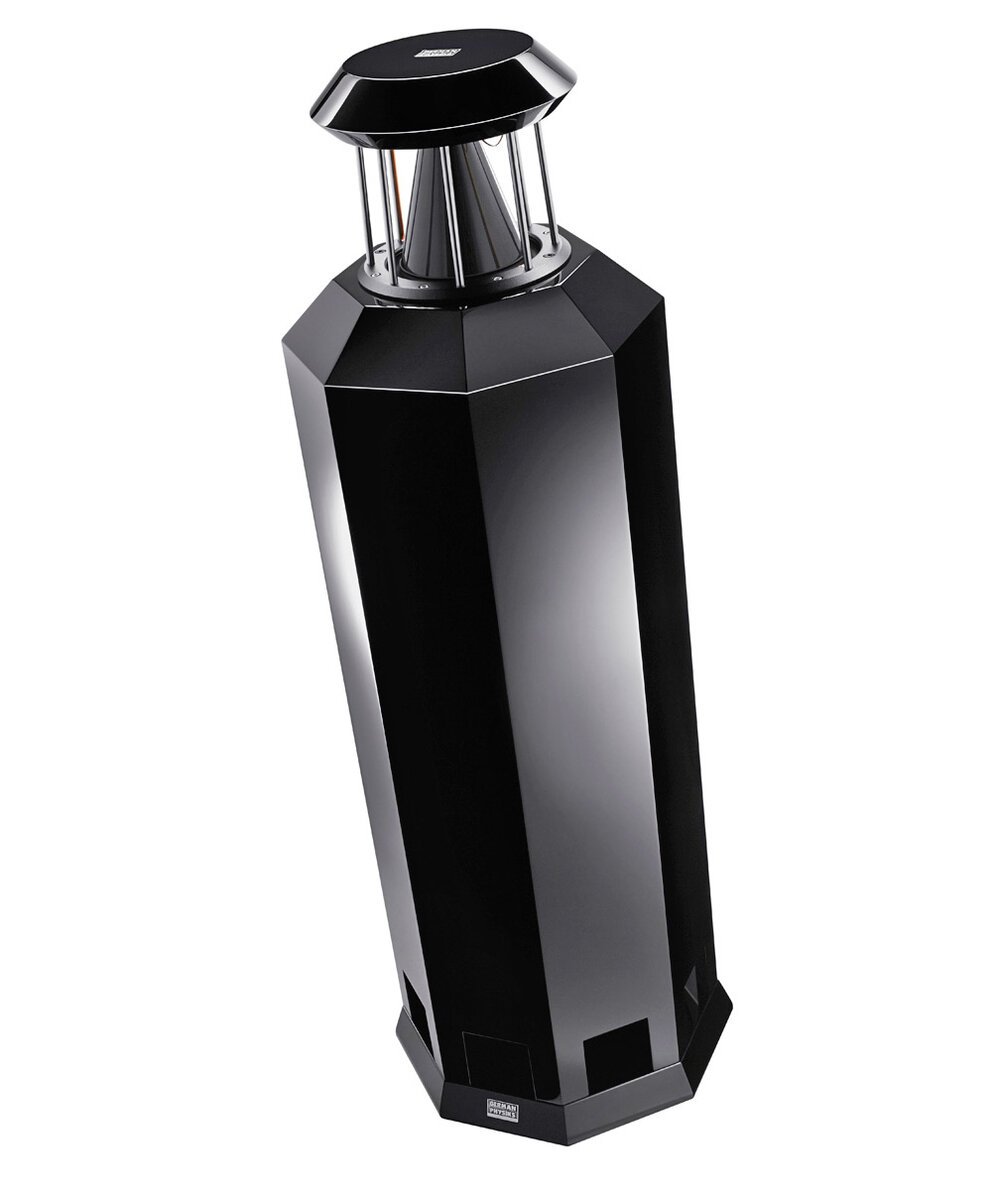
In 2008 the design was radically revamped with the introduction of the Borderland Mk IV. The octagonal cross-section cabinet was retained, but it was constructed in one piece rather than two. The isobaric bass system was replaced with a single downward firing 12-inch woofer, located at the bottom of the cabinet. This was operated in a sealed enclosure. The use of a 12-inch driver gave the bass extra weight, improving the low end balance and a new bass system provided better transient response with improved integration with the DDD driver. The crossover frequency was lowered from 270Hz in the Mk I, to around 200Hz. Increasing the range of the DDD driver gave an improvement in coherence, as it was now covering even more of the audio range.
|
|
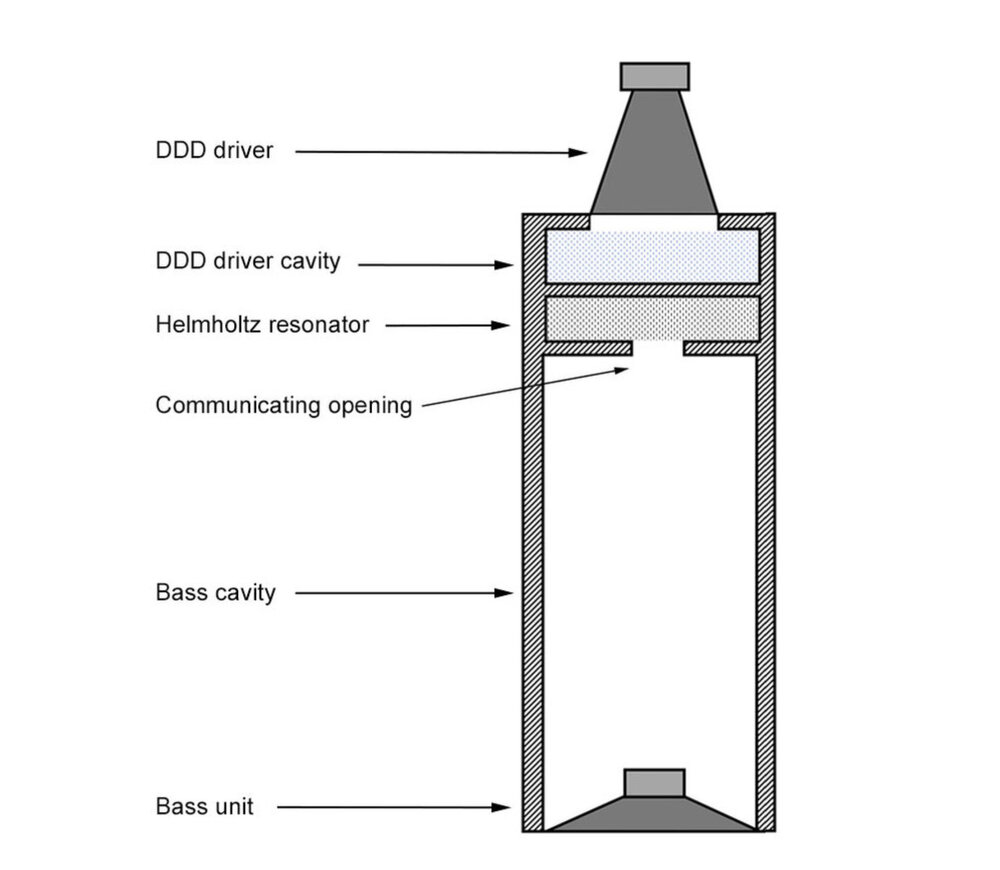
Another innovation in the Borderland Mk IV was the introduction of a Helmholtz resonator in the bass system. This consists of a small enclosure located at the top of the bass enclosure and coupled to it by a small hole. This is filled with damping material and is tuned to the resonant frequency of the main enclosure. It acts as a Helmholtz resonator and suppresses the main enclosure resonance, which would otherwise cause a bump in the bass response. The result is a smoother low-end response. This technique was used in the HRS-120 and is currently used in the HRS-130.
|
|
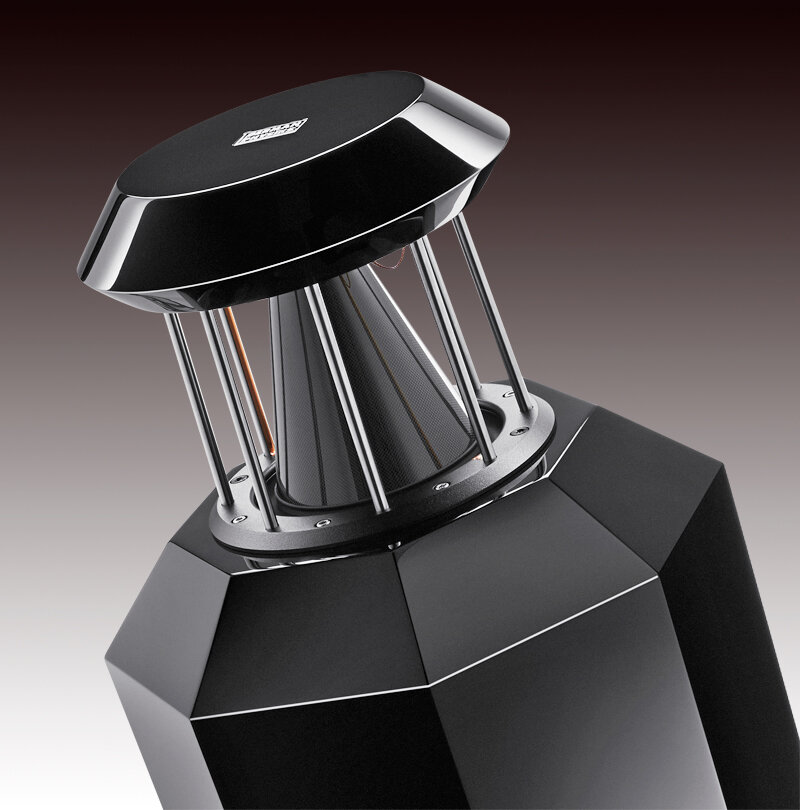
The third significant improvement brought in with the with Borderland Mk IV was the use of the carbon fibre DDD driver. As well as allowing the crossover frequency to be reduced to 190Hz, it also allowed the upper response limit to be extended from the 21,500Hz that the titanium DDD driver provided, to 24,000Hz. The DDD driver was now covering over 7 octaves, further improving the already exceptional coherence.
Initially the Borderland Mk IV was made available with both the titanium and carbon fibre DDD drivers. The titanium DDD driver has now been phased out, as the carbon fibre version offers superior sonic performance, as well as being extremely rugged. Just how rugged the carbon fibre DDD driver is, is shown in a video that you will find here. The carbon fibre DDD driver is probably as near to being child-proof as any loudspeaker driver can be.
|
|
|
|
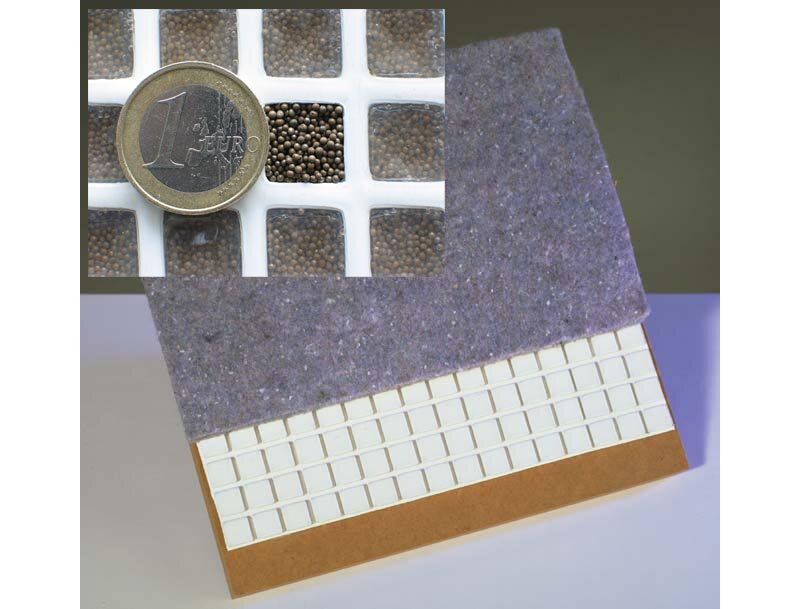
In common with other German Physiks loudspeakers, a special material called Hawaphon® is applied to the cabinet’s inner surfaces to provide an extremely effective way to prevent panel vibration, which would otherwise cause colouration. |
|
|
In common with other German Physiks loudspeakers, a special material called Hawaphon® is applied to the cabinet’s inner surfaces to provide an extremely effective way to prevent panel vibration, which would otherwise cause colouration. |
|
|
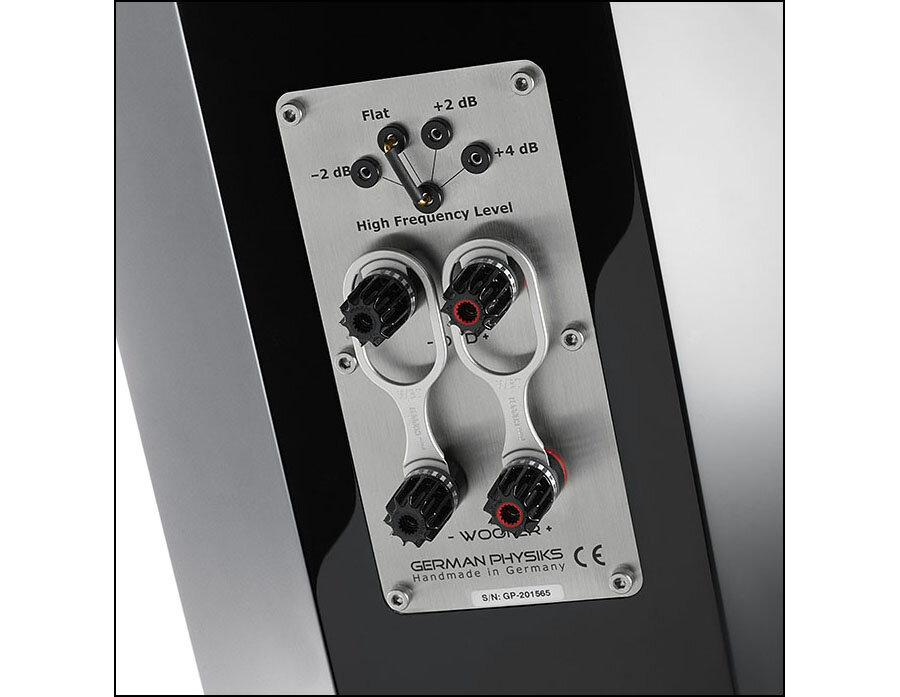
Separate inputs for the crossover’s woofer and DDD driver sections allow bi-wiring and bi-amping. A high frequency level control allows the response to be adjusted in four steps centred at 8,000Hz. This is useful to correct a balance that is either slightly too bright, or slightly rolled off. |
|
|
|
Separate inputs for the crossover’s woofer and DDD driver sections allow bi-wiring and bi-amping. A high frequency level control allows the response to be adjusted in four steps centred at 8,000Hz. This is useful to correct a balance that is either slightly too bright, or slightly rolled off. |
|
|
As is common with most products that have been in production for a while, a number of improvements have been made over the years. The most notable was a major revision to the crossover. This provided: Better bass with more extension Better dynamics Better imaging and resolution Better drivability, making it an easier load for the amplifier
As a result, the Borderland Mk IV continues to be able to more than hold its own with the competition. Book an audition and hear for yourself.
|
|
Thank you again for signing up to our newsletter and thank you for your continued interest in our products. Please don’t forget to visit our Facebook page. If we can be of help with anything at all, please do not hesitate to get in touch with us here. You can find your national distributor here.
|
|
Holger Mueller | German Physiks
|
|
|
|
|