July 2019 | Newsletter No. 4

Some German Physiks Facts

Firstly we would like to thank our existing subscribers for their support and welcome all the new subscribers to our newsletter.

We thought we would use this newsletter to tell you a bit more about two of our loudspeakers.

The HRS-130

What does the HRS in HRS-130 stand for?

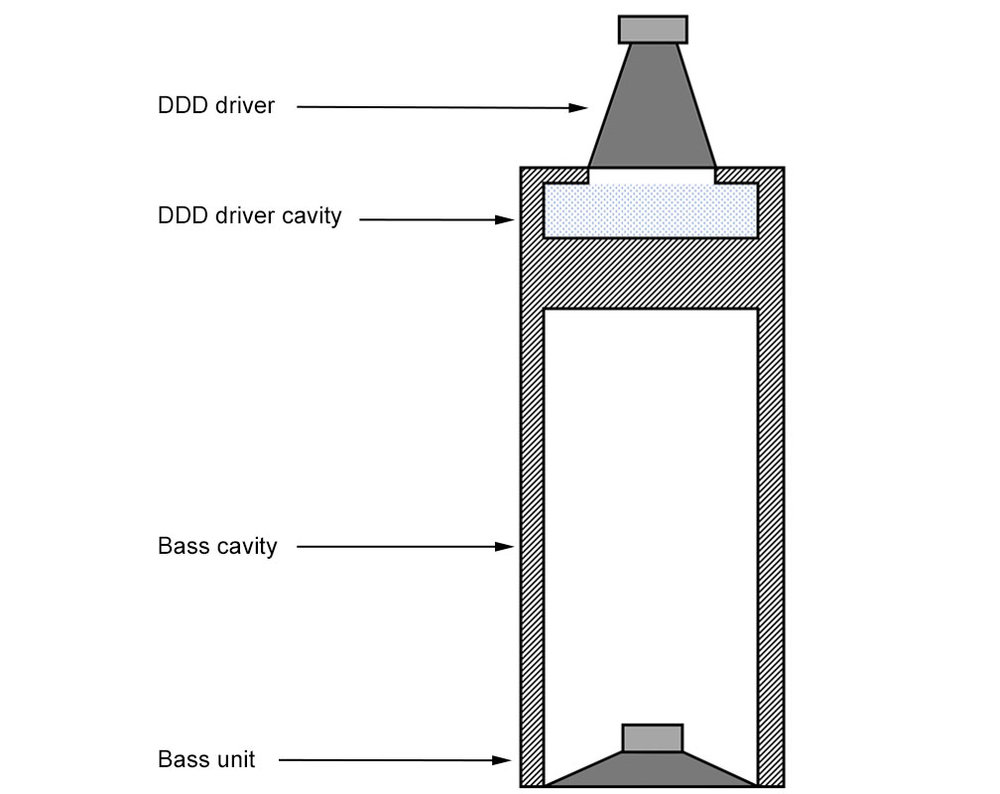
Quite simply, HRS stands for Helmholtz Resonator Speaker. If the HRS-130’s bass unit worked into a simple cavity as shown above, there would be a bump in the bass response at the cavity’s resonant frequency.

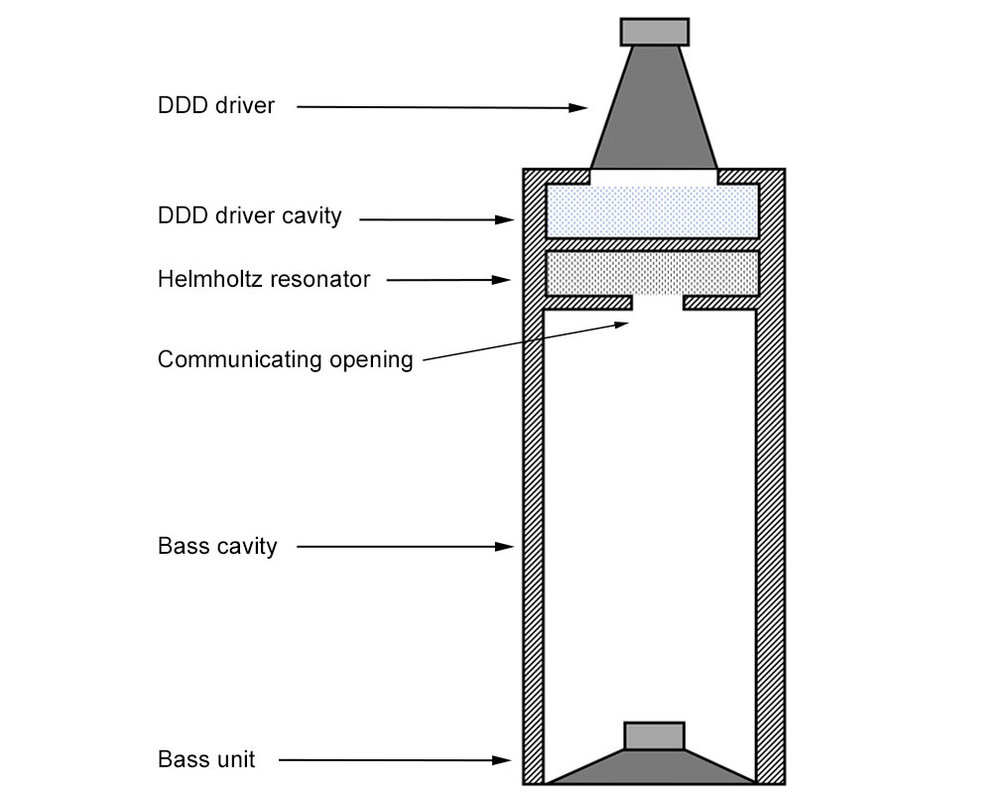
To prevent this, there is a smaller separate cavity at the top of the main cavity, as shown in the second diagram and the two are linked by a small opening between them. The smaller cavity is filled with damping material and is tuned to absorb energy at the main cavity’s resonant frequency. This gives the HRS-130 the clean bass response it is known for.

We first used this technique in the Mk IV version of our Borderland loudspeaker. Prior to this, the Borderland used two 8-inch bass drivers in an isobaric configuration.

To find out more about the HRS-130, please follow this link.

To find out more about the Borderland Mk IV please follow this link.

The Emperor

How do you move an Emperor?

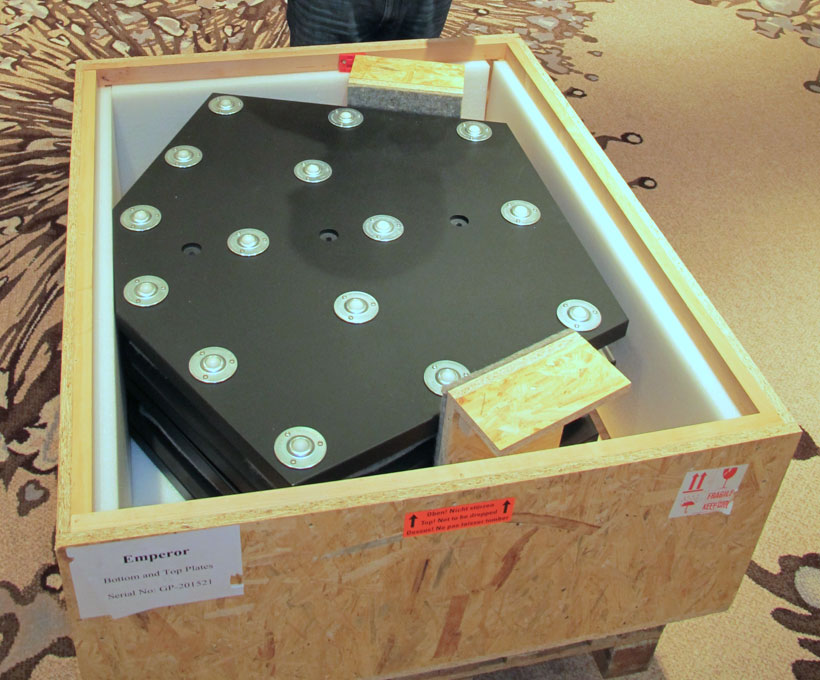
While big loudspeakers can provide impressive sound levels and bass extension, their weight can pose a challenge when it comes to moving them into the required position when they are set up. This is not the case with our Emperor model, despite each one weighing 425 kg. 15 heavy duty nylon castors recessed into each base plate allow the loudspeaker to be moved relatively easily on almost any surface. You can see the castors in the picture above. It shows the crate that the Emperor base plates are shipped in. The rest of the Emperor comes in 9 more crates and one carton. While this is a lot of packing, it means that the Emperor breaks down into modules that are small enough to be easily manageable. This is something readily appreciated by anyone who has had to manhandle a 200 kg plus loudspeaker that has no hand-holds.

There are 10 major components to each Emperor and it usually takes one of our engineers 2 days to unpack, assemble and set-up an active Emperor system.

Two more Emperor clever features

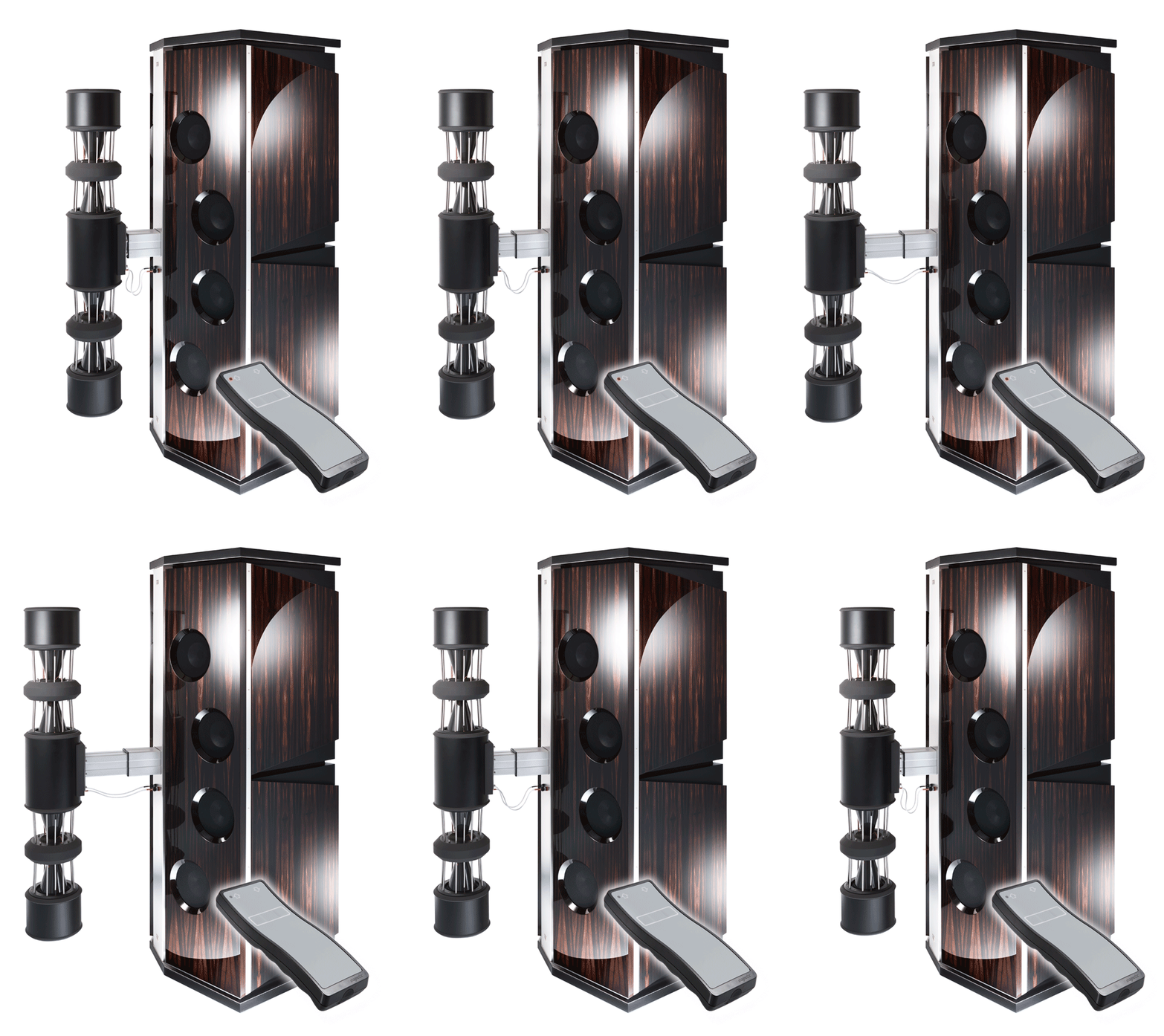
Even with the luxury of castors in the base plate, making the final adjustment of the Emperor’s position could be a tedious job, were it not for another clever feature. The Emperor’s four DDD drivers are mounted on a motorised boom that can be commanded to move back and forth using an infra-red remote control. As the four DDD drivers on the Emperor cover the frequency range from 180Hz to 24,000Hz, moving them is effectively the same as moving the whole loudspeaker. This allows the user to fine-tune the position of each loudspeaker from the comfort of their listening seat, without breaking a sweat.

Lastly, you will never have to worry about the batteries in Emperor’s remote control going flat, as moving the remote control enables a small generator inside the unit to produce its own electricity, which it stores internally: rather like an electrical version of a self-winding watch. This special remote control, like some of the world’s finest watches, is made in Switzerland.

To find out more about the Emperor loudspeaker please follow this link.


Until next time…

Thank you again for signing up to our newsletter and thank you for your interest in our products. Please don’t forget to visit our Facebook page.

If we can be of help with anything at all, please do not hesitate to get in touch with us here. You can find your national distributor here.

Holger Mueller | German Physiks